The Weight of Influence: Why God Tests Before He Trusts

The Weight of Influence: Why God Tests Before He Trusts You have done a foolish thing… now your kingdom will not endure.” – 1 Samuel 13:13–14 The Crown Without the Core Saul looked the part. Head and shoulders above every man. He disobeyed under pressure. He blamed others. He protected his image—but lost his assignment. Saul was Chosen, Anointed, Visible—But when pressure hit, his lack of character cracked the crown. Character is the container for Kingdom weight.God gave Saul authority—but tested his heart. He waited to see if Saul would obey fully, even when it didn’t make sense. If your platform grows faster than your character, you’ll collapse under the pressure. Pressure doesn’t break men—it reveals them.When faced with fear, Saul offered sacrifices he wasn’t authorized to give. He chose performance over obedience. How do you respond when the pressure is public but the instructions are spiritual? God isn’t building performers. He’s raising pillars.Pillars don’t move. They carry. They stay steady when the crowd shifts. That’s legacy. That’s weight. That’s real leadership. Saul had platform… but not substance. He was loud in front of men, but hollow before God. THE KINGDOM CHALLENGE: Stop asking God to expand your influence if you’re unwilling to let Him deepen your roots. Are you preparing to lead… or just hoping to be seen? Ask yourself: Am I more focused on building a fanbase than building a foundation? How do I act when I’m under pressure and no one is around to applaud? Would God call me a man He can trust with people, power, and pain? You don’t earn influence with charisma—you steward it with consistency. What you build in silence is what will sustain you in public. Powered by Ironmen DC
Launch with Purpose: Forged for the Target

Launch with Purpose: Forged for the Target Now go; I will help you speak and will teach you what to say.” – Exodus 4:12 The Reluctant Weapon Moses had the right backstory. The right burden. But when God called him, he pushed back: “Who am I?”He still gripped fear, shame, and the comfort of hiding. God had to sharpen his identity, balance his brokenness, and align him with divine timing. Purpose doesn’t begin at the mountaintop—it begins in the fire of formation. Becoming Grounded Before You Reign Identity must be sealed before influence is given.Satan said, “If you are the Son…” — trying to shake what God had already declared. Men who doubt who they are can’t lead others anywhere stable. Obedience in private secures authority in public. Jesus didn’t quote opinion — He quoted Scripture. What you rehearse in secret becomes your weapon in the test. Stop asking for destiny while holding on to dysfunction. “Launch me, Lord” could be a dangerous prayer if you’re not willing to let go of what holds you back. THE KINGDOM CHALLENGE: Moses didn’t feel qualified—he felt disqualified. But God doesn’t launch men based on comfort. He launches based on formation. And when Moses finally said yes, Pharaoh trembled, and a nation moved. Ask yourself: What part of my past or mindset is dulling my edge? Am I willing to confront my fears—not just spiritually, but practically? If God sent me tomorrow… would I hit the mark, or spiral off target? Forging always comes before launching.Let God sharpen your thinking, balance your heart, and align your life—so when He throws you, you land with impact. You were made to hit something eternal.Let His GRAVITY forge and launch you. Powered by Ironmen DC
Grounded to Reign

Grounded to Reign You can’t reign if you’re not grounded. Authority doesn’t come from hype — it comes from identity, clarity, and tested obedience. —Matthew 4: 1-11 Before Jesus began His ministry, before He did miracles or preached crowds… He was grounded. In identity: “This is my beloved Son…”In discipline: 40 days of silence, hunger, and prayer.In resistance: face to face with temptation — not once, but three times. Jesus didn’t ascend a throne. He stood on a rock. That’s where kings are forged. Becoming Grounded Before You Reign Identity must be sealed before influence is given.Satan said, “If you are the Son…” — trying to shake what God had already declared. Men who doubt who they are can’t lead others anywhere stable. Obedience in private secures authority in public. Jesus didn’t quote opinion — He quoted Scripture. What you rehearse in secret becomes your weapon in the test. Grounded men build God’s Kingdom — not their own. Jesus rejected shortcuts, applause, and power plays. He chose the cross. THE KINGDOM CHALLENGE: Kings in the Kingdom don’t reign from ego — they reign from alignment. Let God build the man before you build the ministry, family, or legacy. Do I know who I am in Christ, or am I still waiting for others to tell me? Am I truly grounded in Scripture, or just inspired by sermons? Can God trust me to lead not just with strength — but with surrender? You were never called to just “believe” — you were called to reign. But not like the world. Not for yourself. You reign when your soul is grounded.When your motives are clean.When your heart is surrendered.When your mind is set. This is how GRAVITY sends men out — not just launched, but grounded to reign. Powered by Ironmen DC
The Force of Our Calling

The Force of Our Calling You weren’t created to drift — you were designed to move with direction, weight, and purpose Imagine a man running fast — sweat pouring, feet pounding the ground — but when the camera zooms out, he’s on a treadmill. He’s exhausted… but going nowhere. That’s how many of us live. We’re busy. Active. Constantly moving.But not grounded.Not clear.Not aimed.Not led by calling, just by pressure. That’s Jonah. A prophet — a man who heard God’s voice — but ran from it because it didn’t fit his plan, culture, or comfort. Jonah & the Drift He heard God’s voice… but went in the opposite direction.Jonah wasn’t lost in sin — he was lost in self. He had a mission, but his heart wasn’t aligned with God’s vision. Are you running fast in the wrong direction? The storm didn’t come because Jonah was evil… it came because he was off-course. Sometimes the chaos in our lives isn’t the enemy — it’s the result of drifting from purpose.God’s call carries weight. When we resist it, everything around us feels heavy in the wrong way. God didn’t punish Jonah to destroy him — He disrupted Jonah to redirect him. GRAVITY is like that storm. A disruption to re-align your internal compass.It’s not about being busier for God — it’s about getting clear on why you were sent here in the first place. Stop Performing, Start Transforming Jonah was known as a prophet, but when purpose knocked, he panicked. Many of us are known by roles — dad, leader, worker, church guy — but the truth is, you’re more than your routine. Are you doing “Christian” things… but ignoring Kingdom purpose? Your purpose won’t wait forever. God’s call isn’t always comfortable, but it’s always worth it. If you’re in a storm.Ask: What’s God trying to redirect in me? Jonah eventually obeyed—but it took a storm, isolation, and surrender to realign him. Don’t wait to hit rock bottom to start moving with purpose. Let GRAVITY pull you back to the center. You weren’t made to drift. You were formed for movement—with direction, weight, and eternal impact. Powered by Ironmen DC
Scriptures: Signals from the Witnesses
Scripture is not just something to get through. It is a story we learn to live within.
Fasting: A Practice for Consciousness and Purpose
By the end of this class, you should be able to explain how fasting fits within a life of grace, recognize fruit that strengthens others, and plan a simple practice of prayer and abstinence connected to an act of love. Begin Here: Who Benefits When We Grow? It is possible to fill our lives with Christian content and still have very little room for people. We can listen to sermons, follow teachers, save Bible verses, and attend services while remaining inside a small world of our own concerns. We may be learning, but are we becoming more patient with our families? More attentive to people who are struggling? More willing to receive help or carry a responsibility with someone else? Those questions matter because following Jesus involves a shared life. God forms us as people who belong to him and to one another. Our growth has a personal dimension, but its effects reach beyond us. This class focuses on fasting as one of several spiritual disciplines that can support that growth. A spiritual discipline is an intentional practice that helps us pay attention to God and respond to him. Prayer, reading Scripture, worship, generosity, service, and gathering with other believers all have a place in this life. Fasting belongs alongside them. The question running through this lesson is simple: How is my life with Christ becoming a blessing that other people can experience? Before continuing, name one relationship in which you would like to become more loving, present, or faithful. Keep that person in mind as you read. Our Life Comes from Christ John 15:4–5 — Study paraphrase Remain in me, and I will remain in you. A branch cannot produce fruit on its own; it needs to remain attached to the vine. The same is true of you. I am the vine, and you are the branches. Whoever remains in me, with me living in them, bears much fruit. Apart from me, you can do nothing. Jesus uses an everyday picture: a living branch receives what it needs from the vine. Our fruitful life depends on him. “Remain,” sometimes translated “abide,” means to stay or continue. In daily life, this includes trusting Jesus, allowing his words to shape our choices, and responding to his love with obedience. Spiritual disciplines give us ways to practice that attention and response. We pray because we can speak to our Father. We read Scripture to understand and live by his truth. We gather because our life in Christ includes other people. We give and serve because love takes practical form. We may fast to accompany prayer and deliberately set aside something that normally occupies us. None of these activities creates the life that only Christ gives. Their purpose is to help us live from it. Completing a spiritual routine is not the same as bearing fruit. A useful question after any practice is, “How is this helping me respond to Jesus in the life I actually live?” We Practice from Acceptance Hebrews 10:19–22 — Study paraphrase Because of Jesus’ blood, we can confidently enter God’s presence. Through his body, Jesus has opened a new and living way for us. We have a great priest over God’s household, so let us approach God sincerely and with full confidence in faith, with cleansed hearts and washed bodies. The New Covenant is the relationship God has established through Jesus, whose self-offering brings forgiveness and access to the Father. Our confidence rests in what Christ has accomplished. We do not have to qualify ourselves through a period of deprivation before we can approach God. Fasting therefore begins with trust. You can come to God honestly, including when you recognize something in your life that needs to change. You can acknowledge harm, receive correction, and take responsibility without treating your fast as a payment that restores your worth. Think of the difference between making time for someone who loves you and trying to convince that person to love you. The outward activity might look similar, but the relationship is experienced very differently. Fasting is a practice within the relationship Christ has secured. It cannot add to his sacrifice or place God under an obligation to give us the outcome we want. Pause and reflect: When you think about a spiritual discipline, do you feel invited to grow or pressured to prove yourself? What does this passage give you permission to trust? What We Mean by Fasting In the biblical accounts, fasting ordinarily means going without food for a period of time in connection with devotion to God. Its purpose varies with the situation. A fast may accompany grief, earnest prayer, or seeking direction. We need to pay attention to each account rather than assume that every fast means exactly the same thing. Christians also use the word more broadly for setting aside other permissible activities, such as entertainment, social media, or nonessential shopping, to make room for prayer and obedience. In this class, we include those practices while keeping the distinction clear: they are modern applications of intentional abstinence, rather than the ordinary meaning of the biblical word. Food and enjoyment are good gifts. Setting something aside temporarily does not make it evil. The purpose is to direct our attention intentionally. If you pause an evening of entertainment, you might use part of that time to pray, read Scripture, and encourage someone. The break becomes connected to a spiritual purpose through what you do with it. Abstaining from wrongdoing is a different matter. Honesty, faithfulness, and kindness belong to our continuing obedience. We do not schedule a temporary break from cruelty with the intention of returning to it afterward. Jesus Puts the Focus on the Father Matthew 6:16–18 — Study paraphrase When you fast, do not put on a miserable appearance to make sure everyone notices. Those who do that have already received the reward they wanted. Take care of your appearance as usual, so your fasting is directed toward your unseen Father rather than an audience.
Praying: Conversations with the Creator
Prayer is one of the fundamental pillars of the Christian life. It is the means by which believers communicate with God, and express their needs, thanks, confessions, and worship. Through prayer, we develop an intimate and personal relationship with our Creator, strengthening our faith and trust in Him. The Bible shows us multiple examples of men and women of faith who, through prayer, experienced God’s guidance, comfort, and power. It is through prayer that we align our hearts with God’s will, allowing His Kingdom to manifest in our lives and circumstances. Prayer is not only a spiritual discipline, but a source of personal and communal transformation. In prayer, we find peace in the midst of anxiety, direction in times of uncertainty, and strength in times of weakness. Class Objectives What is Prayer? Prayer is, in essence, a conversation with God. It starts from the reality that God is not in a distant or external place, but dwells in us. This allows us to have constant communication with Him, sharing our thoughts, feelings, worries, and praises. Through prayer, we can express our needs, thank for His blessings, confess our mistakes, and seek His guidance and protection. It is the way to maintain a living and dynamic relationship with our Creator. Prayer is the result of an intimate, personal relationship with God, similar to that shared with a family member or close friend. When we hang out with someone significant, we talk about everything: our joys, worries, dreams, and fears. In the same way, prayer allows us to talk to God, who dwells in us and knows every corner of our lives, desires, and thoughts. Through this continuous communication, we strengthen our relationship with Him, sharing the depths of our being. Prayer allows us to talk to God, who dwells in us and knows every corner of our lives, desires, and thoughts. Prayer is also an act of faith and dependence. By talking to God, we show that we believe in Him, that He is important in our lives and real to us. We recognize that we need your guidance, your support, and your intervention in our daily circumstances. This dependence is not a sign of weakness, but an expression of trust in your love and power. As we open our hearts to God in prayer, we surrender to His will, trusting that He is in control and that His plans are perfect for us. Thus, prayer becomes an act of surrender and faith, reaffirming our connection to our Creator and Savior. Different Forms of Prayer and Their Purpose Praise and Worship: Praise and worship go hand in hand, although we worship God with all that we do, in worshipful prayer, we emphasize His holiness, sovereignty, and lordship. We praise God for what He does and worship Him for who He is. To praise is to recognize and declare the greatness of God, thanking Him for His favor, love, and mercy. Worship is a deeper form of praise, involving absolute reverence and devotion, surrendering completely to Him, and acknowledging His holiness and majesty. Example: “Lord, you are great and worthy of all praise. I adore you, God, for your holiness and majesty.” Confession: It is admitting our weaknesses and mistakes before God and asking for His help in the process of sanctification. Confession helps us maintain a sincere and honest relationship with Him, keeping us in perspective of who we are and who He is. Example: “Lord, forgive me for my failures and help me to change.” Petition: It is to ask God for our personal needs and desires. We can present our concerns and ask for His intervention in our lives. Example: “God, I need your help in my work, please guide my steps,” Thanksgiving: It is thanking God for His blessings and provisions. Gratitude reminds us of God’s goodness and faithfulness in our lives. Example: “Thank you, Lord, for your love and your daily provision.” Intercession: It is praying for the needs of others. We become intermediaries, asking God to act in other people’s lives. Example: “Lord, I pray for the health of my friend, that you give him healing and strength.” Key Biblical References Matthew 6:9-13: “Our Father in heaven, hallowed be your name. Thy kingdom come. Thy will be done, as it is in heaven, so also on earth. Give us this day our daily bread. Forgive our debts, as we also forgive our debtors. And lead us not into temptation, but deliver us from evil; for thine is the kingdom, and the power, and the glory, for ever. Amen.” Philippians 4:6-7: “Be anxious for nothing; but in all things, by prayer and supplication with thanksgiving, let your petitions be made known before God. And the peace of God, which surpasses all understanding, will guard your hearts and your minds in Christ Jesus.” 1 Thessalonians 5:16-18: “Rejoice always. Pray without ceasing. Give thanks in everything, for this is God’s will for you in Christ Jesus.” These biblical references teach us how to pray, the importance of continuous prayer, and the peace that comes from trusting God through prayer. The Importance of Prayer Prayer could be seen as the catalyst for the renewal of our understanding as a counterpart to the study of scripture. It is not simply a matter of reciting words, but of establishing a deep and sincere dialogue with our Creator. Through prayer, we open our hearts to God, share our joys and worries, and seek His guidance and comfort in every aspect of our lives. Jesus is the perfect example of how prayer should be an integral part of our lives. In Luke 5:16, we read that “Jesus often withdrew to solitary places and prayed.” This shows us that, despite his busy schedule and the demands of his ministry, Jesus always found time to be alone with the Father. This constant practice of prayer was his source of strength, clarity, and direction. In Mark 1:35, we are told that “very early in the morning, while it was still dark, Jesus got
Grafted, Rooted, and Growing Together: Living a Life of Purpose
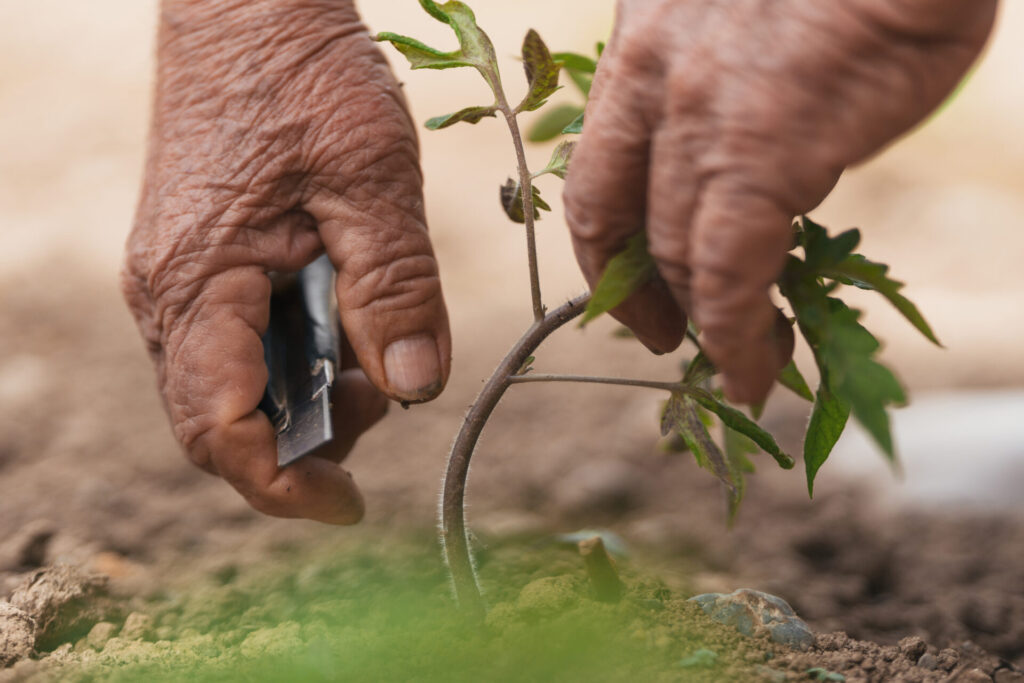
God’s design for us is clear: we are to bear fruit in a world that needs hope, purpose, and guidance. Just like a vine is grafted into a new soil to grow, we too have been grafted by God into this world—yet our nature is from heaven. We are called to impact the world, not as passive spectators, but as active leaders who live out God’s purpose. Our foundation matters. If our roots aren’t in Christ, then no matter how much we try to grow, we will wither. Christ is the solid rock, the unshakable foundation on which we stand, and it’s from Him that we gain strength and direction. When we root ourselves in Him, we can grow with purpose—bearing fruit that brings glory to God. Yet we cannot do this alone. Just as vines grow better in clusters, we too are called to grow in brotherhood. Men supporting each other in accountability and encouragement allows us to rise higher, stay strong, and bear fruit. When we grow together, we fulfill God’s commission as strong, faithful men who lead, serve, and build the kingdom. 7 Daily Activities for Meditation and Practice: Day 1: Take a moment to reflect on the soil where you are planted. How does your environment shape you? Are you embracing God’s design for your purpose here? Prayer: “Lord, help me understand where You have placed me and give me the strength to flourish right where I am.” Day 2: Write down the areas of your life where you feel disconnected from Christ. What are you going to do to reconnect and ensure He is your foundation? Prayer: “Jesus, be the solid rock in my life. Strengthen my roots in You.” Day 3: Identify a brother in your life you can support. Reach out to him today and offer to pray for him or spend time with him. Prayer: “God, help me be a source of strength to my brothers. May we grow together in faith.” Day 4: Examine your actions this week. Are you living out your purpose? How can you align your daily activities with your divine calling? Prayer: “Lord, help me to live each day with purpose and according to Your will.” Day 5: Reflect on the challenges you’ve faced. What lessons have you learned that you can now apply to grow stronger in faith? Prayer: “God, teach me the lessons in my trials, and let them be the foundation of my growth.” Day 6: Visualize your future in God’s purpose. How will you continue to grow, and how will you make an impact? Prayer: “Lord, give me vision for my future. Guide me as I walk in Your purpose.” Day 7: Review your progress this week. Are you bearing fruit? What areas of your life still need pruning or attention? Prayer: “Father, prune what is unnecessary and help me to bear the fruit You have planned for me.”
Integrity in the Workplace

Living with integrity at work also means standing firm when tempted to cut corners or compromise on values. It may not always be the easiest route, but it is the most honorable and rewarding path.
Honor & Reward

1.0 The Foundation of Honor in the Bible Honor and reward are fundamental principles of the Heavenly Kingdom, shaping how we live and serve on earth. Jesus taught that true greatness comes not from status or power but from serving others: “Whoever wants to become great among you must be your servant” (Matthew 20:26). In God’s Kingdom, honor is given to those who walk in humility, love, and obedience. When we live by Kingdom values—honoring God and others—we position ourselves to receive the rewards He has prepared for His faithful servants. This study will explore how embracing honor leads to spiritual growth, divine favor, and Kingdom impact. Key Scripture: Romans 13:7 – “Give to everyone what you owe them: If you owe taxes, pay taxes; if revenue, then revenue; if respect, then respect; if honor, then honor.” 1.0 Definition of Honor in Biblical Context Honor, in the Bible, is more than just a word—it reflects God’s love in action. Honor means recognizing the value that God has placed in people, not because of what they do, but because of who they are in God’s eyes. In the natural world, our tendency is to operate from a mindset of survival—reacting to situations based on fear, self-preservation, and justice as we see fit. However, honor calls us to rise above that mindset and respond from a place of love, trust in God, and a recognition of His order. This is why Paul emphasizes in 1 Corinthians 13:31, “And yet I will show you the most excellent way.” What is this “most excellent way”? It is love. Honor flows from love, not fear or obligation. It is the way God operates, and it is how He calls us to live. Honor Involves Preserving Others Even When They Don’t Deserve It. One of the most powerful examples of biblical honor is David and King Saul. Saul was not only David’s king but also his enemy. He was hunting David down, trying to kill him out of jealousy and fear. In 1 Samuel 24, David had the perfect opportunity to take revenge. Saul had entered a cave to rest, not knowing that David and his men were hiding there. Instead of killing Saul, David simply cut off a piece of his robe. David’s men encouraged him to kill Saul, saying it was the perfect moment for justice. But David refused. Why? Because he understood that honor means preserving someone’s dignity, even when we feel they deserve retaliation. David told his men: “The Lord forbid that I should do such a thing to my master, the Lord’s anointed, or lay my hand on him; for he is the anointed of the Lord.” (1 Samuel 24:6) This is a radical form of honor. David did not honor Saul because Saul was acting honorably—he honored Saul because he recognized that God’s purpose and calling on Saul’s life were greater than the temporary injustice he was experiencing. David teaches us a deep truth about honor: Many times in life, we feel justified in exposing someone’s flaws or tearing them down, especially when they have wronged us. But honor means choosing to protect, not destroy. It doesn’t mean ignoring injustice, but it does mean leaving vengeance in God’s hands. 1.1 The Distinction Between Respect and Honor Respect is often earned. It is based on actions, performance, or achievements. Honor, however, is freely given. It is based on the intrinsic value God has placed in people. This is why Jesus tells us to love our enemies (Matthew 5:44). He wasn’t saying to ignore sin, but to honor people as creations of God, leaving judgment and justice to Him. 1.2 Honor is the Most Elevated Way to Live Paul tells us in 1 Corinthians 13 that there are many powerful things—faith, knowledge, wisdom, even spiritual gifts—but love surpasses them all. Honor, when it comes from love, is the highest form of living. “And yet I will show you the most excellent way…” (1 Corinthians 12:31) This verse leads directly into 1 Corinthians 13, the famous “love chapter,” where Paul describes that love: Honor, then, is not just about obedience or behavior—it is a lifestyle that mirrors the heart of God. It’s a way of living that reflects trust in God’s justice, humility, and a commitment to love others as He loves us. The world operates from a mindset of justice, survival, and retaliation. But God calls us to a higher standard: a life of honor, rooted in love. This does not mean we allow abuse or sin to go unchecked, but it does mean we treat others with the dignity God has given them, regardless of their actions. When we live by honor, we break free from the cycle of bitterness, revenge, and division. Instead, we build a Kingdom culture where love, forgiveness, and God’s justice prevail. 1.3 Reflection Questions: 1.4.1 Why does God call us to honor others? Personal Reflection to Encourage: 1.4.2 How does honoring others reflect our faith maturity? Personal Reflection to Encourage: 1.4.3 Have you struggled with honoring someone? How can you change that? Personal Reflection to Encourage: 1.4 Homework Assignment: 1. Read the Passages CarefullyStart by reading Romans 13:1-7 and 1 Peter 2:17 slowly and thoughtfully. Take note of key themes such as submission to authority, honoring leaders, and God’s role in establishing order. Consider reading in different Bible translations for deeper understanding. 2. Identify Key Messages 3. Reflect on Your PerspectiveThink about how these teachings shape your personal views. Consider these questions: 4. Structure Your One-Page Reflection 5. Edit and FinalizeReview your reflection for clarity and coherence. Ensure it flows logically and reflects personal insight. By following this guide, your reflection will be thoughtful, structured, and meaningful!