Category: Livingroom

  • The Fivefold Ministry: The Building and Maturity of the Body of Christ

    The Fivefold Ministry: The Building and Maturity of the Body of Christ

    Ephesians 4:11–16; 1 Corinthians 12:12–28; Acts 13:1; Acts 21:8; Colossians 1:28; 1 Peter 2:5; 2 Timothy 4:5; Hebrews 13: 17

    Christ did not give ministries to His church to create hierarchies, but to build a mature body that represents Him on the earth. Each ministry reflects an aspect of the heart and purpose of Christ. But none, by itself, can express the fullness of His person. Maturity is reached when the five operate in unity and complementarity, equipping, building, and perfecting the body of Christ itself.

    1. Christ, the Head, and the Built Body

    Ephesians 4 makes it clear that Christ Himself is the one who gave the ministries. He is the Head (Col. 1:18), and the ministries are channels so that His life may flow in the church. They are not owners of the church, but servants who facilitate growth. Each member of the body has a function, and together we reflect the fullness of Christ.

    The true strength of the church is that the ministries are built upon one another, complementing instead of competing. The apostle opens the way, the prophet gives direction, the evangelist brings fruit, the pastor cares, and the teacher affirms in the truth. Only integrated do we advance toward the mission of Christ: to disciple the world and reflect Him in character, word, and action. Ministerial unity is not only harmony, it is divine strategy: a living structure where each function supports the other, so that the church may be effective in extending the Kingdom everywhere.

    Tip
    Every ministry must point to Christ, not to itself, and the success of a ministry is not measured by crowds, but by how much the body grows toward Christ.

    • How do we avoid paying more attention to the ministers than to the Head?
    • In what ways does each member contribute today to the growth of our local body?

    2. The Purpose of the Fivefold Ministry

    When Christ ascended, He did not leave His church without direction nor tools to grow. Ephesians 4 teaches us that He Himself gave to the church five ministerial expressions: apostles, prophets, evangelists, pastors, and teachers. These ministries are not ornaments, nor positions of prestige, but gifts of Christ to guide His people toward maturity.

    The pluralistic model of Elohim (plural of majesty in Genesis 1:1) reveals God acting in perfect unity of diversity: “Let Us make man in Our image” (Gen. 1:26). Here there is no competition, but harmonious collaboration of different expressions in one single purpose. That same principle is reflected in the fivefold ministry (Eph. 4:11–13): five different but complementary ministries, which build one single body. Just as Elohim shows the richness of God in unity, the fivefold ministry manifests the fullness of Christ when apostles, prophets, evangelists, pastors, and teachers work together, avoiding centralism and promoting shared maturity. For that reason, the fivefold ministry is indispensable: its function is to equip, build, and lead the church to the fullness of Christ.

    Ephesians 4:12–13 points to three clear purposes:

    I. To perfect (equip) the saints

    • Greek word: καταρτισμός (katartismós).
    • Definition: preparation, adjustment, restoration to its correct state, training for a task. The root comes from katartízō, which was used to describe adjusting a dislocated bone or preparing fishing nets (Matt. 4:21).
    • The ministries are not there to do all the work, but to train, restore, and enable each believer to fulfill his or her part in the body. The idea is that each member may be “in its correct place,” functioning effectively.

    In what areas of your spiritual life do you need to be “adjusted” or “equipped” to serve better?


    II. To build up the body of Christ

    • Greek word: οἰκοδομή (oikodomḗ).
    • Definition: construction of a house, progressive development, spiritual edification. Comes from oikos (house) + domé (construction).
    • The purpose is not to create believers dependent on a leader, but a solid structure where all contribute. The building implies adding “brick upon brick,” forming a stable spiritual house (1 Pet. 2:5). The church is built when every gift and ministry is activated and love keeps the blocks united.

    In what way are you contributing to the construction of the “spiritual house” of your church?


    III. To bring to maturity and unity in Christ

    • Greek word: τέλειος (téleios).
    • Definition: complete, perfect, mature, fully developed in its purpose. It does not mean “without mistakes,” but to reach the state of fullness and functional maturity for which something was designed.
    • Application: A mature church is not measured by the number of programs, buildings, or crowds, but by how much it reflects the character of Christ: love, truth, holiness, and unity. The word also implies fulfilled goal: the fivefold ministry leads the church until it lives in coherence with the original design of God.

    What evidences of maturity in Christ can be noticed in your life and in your church? What areas are still immature?

    In other words: the purpose of the fivefold ministry is not that a few “do the work,” but that the whole church is formed, activated, and strengthened to live its calling.

    Tip

    If the church is not being equipped, the ministries are not fulfilling their purpose. True unity is not to think the same in everything, but to share the same faith and mission in Christ.

    • How can we measure if our church is getting closer to maturity in Christ?
    • What signs indicate that we still act like “spiritual children”?

    3. Integrated Functions of Each Ministry
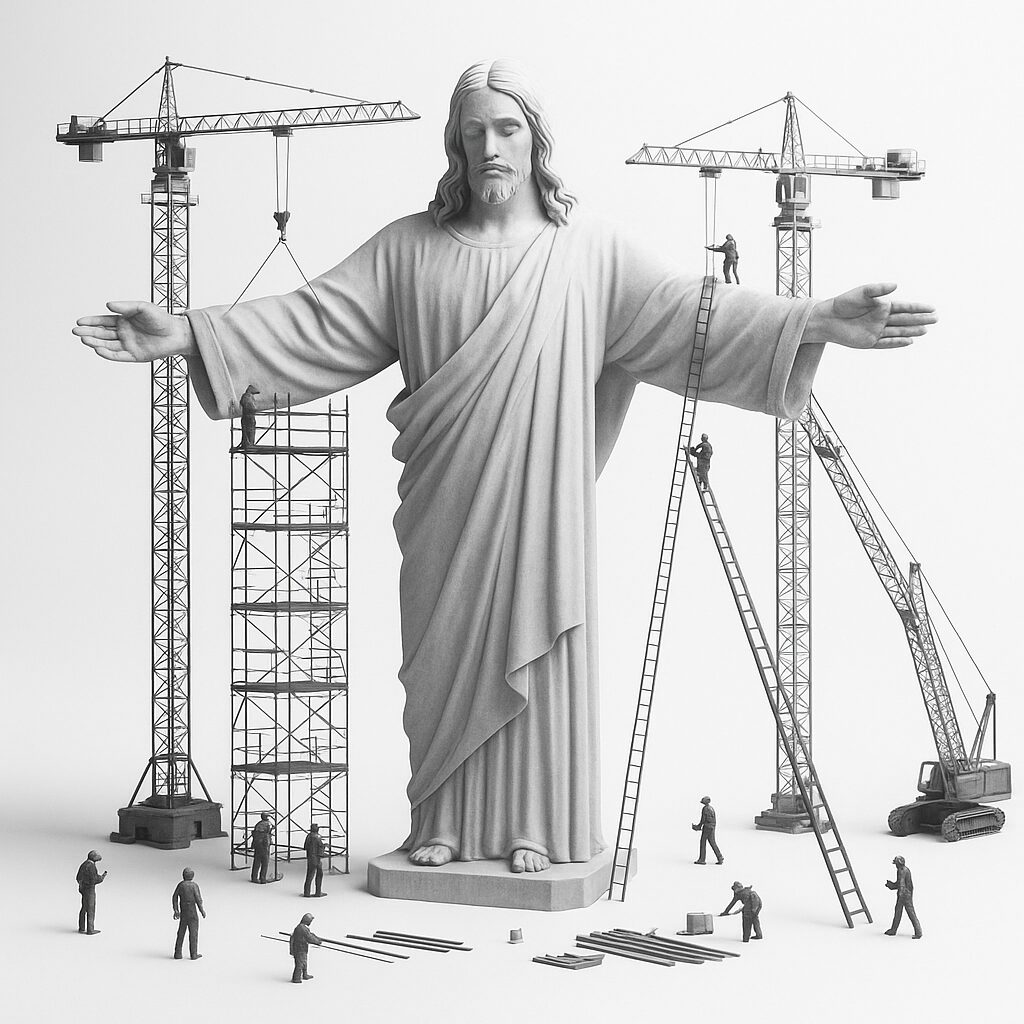
    When Paul describes in Ephesians 4:11–13 the five ministries, he does not present them as isolated compartments, but as complementary expressions of Christ Himself in His church. Each ministry has a unique function, but none is complete by itself. Just as a body needs all its members to function well, the church needs the ministries to operate in integration and not in independence.

    The key is that each ministry contributes something indispensable:

    • The apostle opens the way,
    • the prophet marks direction,
    • the evangelist extends the message,
    • the pastor cares,
    • and the teacher affirms the truth.

    But the extraordinary happens when these functions are integrated, creating a spiritual balance that builds the church in maturity.

    The integrated function avoids two extremes:

    • Excessive dependence on a single ministry (e.g., only the pastor carrying everything).
    • Competition among ministries (e.g., seeing them as rivals instead of collaborators).

    The biblical model is unity in diversity: different ministries working in harmony to fulfill the same mission. That integration is what guarantees that the church not only grows in number, but in maturity, stability, and fullness in Christ.

    • Apostle: opens the way, establishes foundations, organizes teams.
    • Prophet: points out direction, confirms and corrects.
    • Evangelist: announces and connects new believers to the body.
    • Pastor: cares, restores, and accompanies in the day-to-day.
    • Teacher: forms solid convictions and guards doctrine.

    Tips

    Which ministry do we feel strongest in our community? Which is weakest?

    The imbalance shows: if there is much evangelism without shepherding, there are people without care; if there is teaching without evangelism, there is knowledge without fruit.

    What happens when a church focuses on only one ministry?

    4. Synergy in Action

    In Acts 15, apostles, prophets, and elders gathered to decide together. That is synergy: different gifts that complement each other to solve problems and advance in mission. No ministry should work isolated.

    Example: in an evangelistic project:

    • The evangelist attracts,
    • the apostle organizes,
    • the prophet confirms direction,
    • the pastor cares for the new one,
    • the teacher affirms him in doctrine.

    Tips

    • Every project must be evaluated from various ministerial perspectives.
    • Synergy is achieved when we leave aside ego and understand that my part is insufficient without yours.What projects in our church would work better if the ministries worked together?
    • How can we cultivate collaboration instead of competition?

    5. Difference with the Spiritual Gifts

    The ministries described in Ephesians 4:11 (apostles, prophets, evangelists, pastors, and teachers) are gift-persons that Christ gave to the church with a stable and continuous calling to equip, train, and build up the believers. They are not titles of prestige, but permanent functions of service that form the community.

    In contrast, the spiritual gifts (1 Corinthians 12; Romans 12; 1 Peter 4:10) are manifestations of the Holy Spirit given to every believer according to the need of the moment, for mutual edification. While the ministries equip in a structural way, the gifts operate dynamically. Both work together for the fullness of the body.

    • Gifts (1 Cor. 12:7): manifestations for all believers, available according to the Spirit.
    • Ministries (Eph. 4:11): gift-persons with a stable calling to train and equip.

    Simple example: the gifts are like tools (hammer, saw, brush); the ministries are like instructors who teach the whole community how to use them well.

    Tips

    • Do not confuse manifesting a gift with having a ministry. Someone can prophesy without being a prophet.
    • Promote that all believers operate gifts, not only the leaders.
    • What confusions have we seen between gifts and ministries?
    • How can we encourage the whole church to flow in gifts without creating confusion?

    6. Spiritual Government and Practical Administration in the Church

    The fivefold ministry focuses on spiritual functions: to equip, to build, to care for, and to guide the people of God. Its authority is founded on service and example (1 Pet. 5:2–3), not on control. That is why the government of the church does not rest on a single ministry —like the model of “sole pastor”— but on plurality and the direction of the Spirit, as we see in Acts 15, where apostles, prophets, and elders deliberated together seeking the will of God.

    Now then, this must not be confused with the administrative and legal compliance structures that a church needs to function in the world. Aspects such as legal registration, financial management, tax reports, insurances, child protection protocols, or labor contracts belong to the realm of responsible administration, and are not in themselves spiritual ministries.

    Both levels —spiritual and administrative— are important, but distinct:

    • The fivefold ministry equips and builds the body to fulfill the mission of Christ.
    • The administrative structure ensures that the church operates with transparency, order, and testimony before society.

    When both are integrated in a healthy way, the church advances with spiritual maturity and practical credibility: directed by the Spirit and at the same time fulfilling its legal and community responsibilities.

    Tips

    • Tip 1: Beware of models of control: biblical government is collaborative.
    • What risks exist in leadership centered on one single person?
    • How can we apply a model of plurality in our local context?

    7. Results of a Church that Integrates the Five

    When the five ministries —apostles, prophets, evangelists, pastors, and teachers— operate in harmony and with purpose, the church begins to reflect the fullness of Christ in a tangible way. This integration not only increases practical efficiency, but allows the flourishing of a mature community, disciples who multiply, and a firm spiritual resistance in the face of trials. Ministerial synergy releases a transforming power that drives both internal growth (character, unity, truth) as well as external mission (testimony, outreach, and service).

    This model is not theoretical: it is based on the biblical calling to a living, diverse, and united body, whose collective effect surpasses the sum of each ministry separately. When the five ministries work together, the fruits are visible:

    • Maturity: believers firm in the faith.
    • Multiplication: leaders and disciples who reproduce.
    • Protection: fewer deceptions and false doctrines.
    • Unity: a solid testimony to the world.

    Tips

    • Constantly check if the fruit is reflected in transformed people, not only in activities.
    • The goal is not that all recognize titles, but that all see Christ reflected in the community.
    • What fruits do we expect to see in the coming months if we truly integrate the five?
    • What testimony would a mature church give to its neighborhood?

    The fivefold ministry is a gift of Christ so that His church may grow until it reflects Him fully. Each ministry is necessary, but none is sufficient by itself. When the five operate in unity, the church becomes a healthy, resilient, and effective body in its mission: to reflect Christ and extend His Kingdom.
  • Scriptures: Signals from the Witnesses

    Scriptures: Signals from the Witnesses

    Practices for a Fruitful Life, Series

    There are voices speaking into our lives every day. Some are obvious: Friends. Family. Teachers. Podcasts. Music. Social media. News. Advertising. Others are harder to notice.

    Ideas about what success looks like. What kind of life is worth pursuing. What makes someone valuable. What we should fear. What we should desire. What will make us happy.

    Whether we realize it or not, something is always shaping us.

    So one of the important questions of discipleship is “What is forming the way I see the world?” This is one of the reasons Scripture matters.

    The Bible isn’t simply a religious book Christians are supposed to read. Scripture connects us with the testimony of people who encountered God before us. Through their stories, prayers, struggles, wisdom, failures, and experiences, we learn to recognize the story of God—and ultimately the God revealed through Jesus.

    Think of Scripture as signals from the witnesses. Voices traveling across generations, reminding us:

    This is who God is.
    This is what He has done.
    This is where the story is going.
    And this is the kind of life we have been invited into.


    Something Is Always Forming You

    Imagine spending hours every day listening to the same message. Eventually, that message starts influencing the way you think. That is essentially what happens throughout our lives. We are constantly receiving messages about money, relationships, sexuality, success, power, identity, happiness, and purpose.

    Our culture tells stories about all of these things.

    Our families have stories about them too.

    Our experiences tell stories.

    Even our wounds can tell us stories about who we are and what we should expect from other people. The problem is that we can follow Jesus while still allowing completely different stories to shape the way we actually live.

    Paul writes:

    “Do not be conformed to this age, but be transformed by the renewing of your mind.”

    Romans 12:2

    Following Jesus involves learning to see reality differently. That is why Scripture is a practice. We continually return to God’s story so that the loudest voices around us don’t automatically become the deepest voices within us.

    Take a moment. Think about the voices that have influenced you most recently. Social media? Your family? Work? Friends? News? Entertainment? Your own fears or ambitions? Now ask yourself:

    What are those voices teaching me about what matters most?

    You don’t need to judge yourself. Just notice. Awareness is an important part of formation.


    Scripture Gives Us a Bigger Story

    The Bible contains many books, authors, cultures, time periods, poems, letters, histories, prophecies, and stories. But together they introduce us to a much bigger story:

    God creates.

    Humanity rebels.

    God begins restoring.

    He forms a people.

    He makes promises.

    Prophets call people back to faithfulness.

    Jesus arrives announcing the Kingdom of God.

    He dies.

    He rises.

    The Spirit is poured out.

    A new community begins carrying the good news into the world, and the story moves toward the renewal of all things. This story gives us a framework for understanding our own lives. We are not random people trying to create meaning for ourselves.

    We have entered a story that was already happening before we arrived.

    And suddenly our lives begin to look different.

    Our work matters.

    Our relationships matter.

    Our generosity matters.

    Our forgiveness matters.

    The way we treat strangers matters.

    The way we use power matters.

    The way we handle money matters.

    The way we respond to suffering matters.

    Why? Because we are learning to live inside God’s story.


    Scripture Helps Us Recognize God

    People have always created versions of God that look suspiciously like themselves.

    A god who agrees with their opinions.

    A god who supports their ambitions.

    A god who dislikes the same people they dislike.

    A god who conveniently approves of everything they already wanted to do.

    We can do the same thing, and that is why we need witnesses outside ourselves. Scripture continually challenges the gods we create in our own image. Through Scripture we encounter a God who creates, speaks, confronts, forgives, liberates, judges, heals, restores, loves, and remains faithful, and then we encounter Jesus.

    This is incredibly important.

    Jesus said:

    “You search the Scriptures because you think that in them you have eternal life; and it is they that bear witness about me.”

    John 5:39

    Jesus was speaking to people who knew Scripture extremely well. Their problem wasn’t a lack of biblical information. They knew the words but were missing the One the words were pointing toward. That means the goal of Scripture cannot simply be knowing more Bible. Scripture is meant to lead us toward knowing God, and for Christians, Jesus becomes the clearest picture of what God is like.

    So when we engage Scripture, we are listening to witnesses who ultimately direct our attention toward Christ.


    Scripture Expands What We Think Is Possible

    We usually imagine discipleship as learning new information, but information alone rarely changes a person. Our imagination also has to change. We need to begin imagining a different kind of life.

    Scripture fills our imagination with stories of people who discovered that God’s Kingdom operates differently from the systems around them. Enemies can become brothers and sisters, powerful people can become servants, possessions can become resources for generosity, outsiders can become family. Failure doesn’t have to be the end of someone’s story. Forgiveness can interrupt generations of retaliation.

    Ordinary people can become participants in extraordinary acts of love, courage, justice, and mercy. The more these stories live inside us, the easier it becomes to imagine living differently ourselves.

    Scripture begins changing the question from “What does everyone normally do?” to “What might life look like if Jesus really is King?” That is a very different question.


    Scripture Gives Us Words When We Don’t Have Them

    Sometimes we know exactly what we want to say to God. Some times we don’t.Sometimes faith feels joyful, sometimes it feels confusing, sometimes we’re grateful.

    Sometimes we’re angry, sometimes we’re hopeful, sometimes we’re grieving. Scripture makes room for all of this.

    The Psalms contain celebration, fear, anger, worship, confusion, repentance, grief, and hope.

    The prophets give language to injustice and longing.

    Wisdom books wrestle with life’s contradictions.

    The Gospels show us Jesus walking through ordinary human experiences.

    The letters show early communities trying to figure out what following Jesus actually looked like together.

    Scripture reminds us that faith doesn’t require pretending.

    There are witnesses who have walked through joy, doubt, failure, suffering, hope, disappointment, and restoration before us.

    Sometimes we discover that someone thousands of years ago already found the words we were trying to say.


    We Are Listening to Witnesses

    This is where the title of this class becomes important; signals from the Witnesses. Christian faith did not begin with us.

    Long before we arrived, people encountered God :

    Abraham trusted.

    Moses wrestled.

    Israel wandered.

    David prayed.

    Prophets spoke.

    Disciples followed.

    Women and men encountered the risen Jesus, communities experienced the Holy Spirit. They struggled, learned, failed, changed, and continued following God, and their testimony reached another generation, and another, and another, until eventually it reached us.

    Hebrews describes this beautifully:

    “Therefore, since we also have such a large cloud of witnesses surrounding us, let us lay aside every hindrance and the sin that so easily ensnares us. Let us run with endurance the race that lies before us.”

    Hebrews 12:1

    Imagine runners ahead of you on a long journey leaving signals along the road.

    God is faithful.

    Keep going.

    Don’t take that road.

    We made that mistake too.

    Trust Him here.

    There is hope beyond this moment.

    Scripture allows us to hear those signals.

    But the witnesses are not the destination.

    They point beyond themselves.


    The Signals Point to Jesus

    The center of Christian Scripture is not simply a collection of principles; it is a Person. Jesus.

    After His resurrection, Jesus met two disciples traveling toward Emmaus. They were confused and disappointed because everything they thought would happen had apparently fallen apart.

    Jesus began helping them understand the bigger story.

    Luke tells us:

    “Then beginning with Moses and all the Prophets, he interpreted for them the things concerning himself in all the Scriptures.”

    Luke 24:27

    Jesus helped them see that the story was pointing somewhere. Toward Him. This gives us an important way of thinking about Scripture. We don’t engage the Bible simply looking for rules to follow or inspirational sentences to remember.

    We are learning the story that helps us recognize Jesus, His Kingdom, and the kind of humanity He is creating.


    Scripture Is Also Forming an “Us”

    There is another important piece we can easily miss: The Bible was not primarily written to isolated individuals having private spiritual experiences. Much of Scripture was addressed to communities: Israel gathered around God’s words, the prophets spoke to nations and communities, pPaul wrote letters to churches.

    The Gospels shaped communities learning to follow Jesus together, so Scripture ask us:

    “What kind of people are we becoming?”

    Are we becoming more generous?

    More forgiving?

    More courageous?

    More hospitable?

    More truthful?

    More patient?

    More willing to serve?

    More concerned about people who are ignored or suffering?

    More like Jesus?

    Because God’s goal isn’t simply to create well-informed Christians; he is forming a people who make His Kingdom visible.


    Information or Transformation?

    It is possible to know a lot about Scripture and still remain unchanged. Jesus encountered people like this. Paul encountered people like this, and if we’re not careful, we can become people like this too.

    We can know verses about forgiveness and refuse to forgive, about generosity and remain controlled by possessions. We can know verses about loving our neighbors and never learn our neighbors’ names. We can know the story of Jesus washing His disciples’ feet while constantly trying to become more important than everyone around us. So biblical knowledge alone is not the goal.

    James writes:

    “But be doers of the word and not hearers only, deceiving yourselves.”

    James 1:22

    Scripture becomes fruitful when truth begins taking flesh in our lives.

    The question eventually moves from:

    “What did I learn?”

    to:

    “What is this forming in me?”


    Fruit Doesn’t Come From Trying Harder

    This entire series is called Practices for a Fruitful Life. So we need to make something very clear: Spiritual practices do not manufacture spiritual fruit.

    Jesus said:

    “Remain in me, and I in you. Just as a branch is unable to produce fruit by itself unless it remains on the vine, neither can you unless you remain in me.”

    John 15:4

    A branch doesn’t produce fruit by trying harder. Fruit grows because the branch is connected to a source of life. Jesus says that He is that source. This changes the way we think about every practice in this series.

    Prayer isn’t about earning something from God.

    Fasting isn’t about proving how spiritual we are.

    Scripture isn’t about completing a religious assignment.

    These practices help create rhythms in our lives where we intentionally become attentive and responsive to God. The Spirit produces the fruit. Our invitation is to remain connected to Christ.


    So Why Keep Returning to Scripture?

    Because something is always trying to tell you what is true. Something is always shaping what you desire, teaching you what success looks like, and influencing the kind of person you are becoming. Scripture gives us another voice, actually, many voices.

    Witnesses across generations telling the story of a faithful God. Their stories remind us where we came from, their mistakes warn us, their prayers give us language, their courage expands our imagination, their hope helps us endure, and together their testimony points us toward Jesus.

    We return to Scripture not simply to know what the Bible says, but to remember what story we belong to, recognize the God revealed in Jesus, and allow the Spirit to form us into people whose lives bear the fruit of that story.


    Before You Finish

    Take a few quiet minutes with these questions.

    What has been shaping me lately?

    Think beyond obviously “spiritual” things. Consider your habits, media, relationships, ambitions, fears, environment, and the voices you regularly listen to.

    What story about the “good life” have I been believing?

    What do you currently believe will make your life meaningful, successful, secure, or worthwhile?

    Is that story consistent with the life Jesus reveals?

    Don’t rush this question.

    When I think about Scripture, do I mostly think about information, obligation, or formation? Why?

    And finally:

    What kind of person might God be forming me to become?


    One Simple Practice

    Don’t finish this class by making a huge promise about how much Bible you’re going to read. Start smaller. Sometime during the next few days, open one of the Gospels and spend a little time with Jesus.

    Read slowly, pay attention, and carry one question with you:

    “What is this showing me about Jesus and the kind of life He is inviting me into?”

    You don’t have to understand everything, or to become a Bible expert. You are learning to listen. Because these ancient words still carry signals from the witnesses, and the witnesses are still pointing us toward Jesus.


    The Big Idea

    Something is always forming us.

    The practice of Scripture is our intentional return to the testimony of God’s people so that, through the Spirit, we can learn God’s story, recognize Jesus, renew the way we see the world, and become people whose lives bear the fruit of His Kingdom.

    Scripture is not just something to get through. It is a story we learn to live within.

    principles of a fruitful life, pincipios de una vida fructifera

    Fasting: A Practice for Consciousness and Purpose

    Food and enjoyment are good gifts. Setting something aside temporarily does not make it evil. The purpose is to direct our attention intentionally. If you pause an evening of entertainment, you might use part of that time to pray, read Scripture, and encourage someone. The break becomes connected to a spiritual purpose through what you do with it.

    Go to Class

  • Fasting: A Practice for Consciousness and Purpose

    Fasting: A Practice for Consciousness and Purpose

    By the end of this class, you should be able to explain how fasting fits within a life of grace, recognize fruit that strengthens others, and plan a simple practice of prayer and abstinence connected to an act of love.

    Begin Here: Who Benefits When We Grow?

    It is possible to fill our lives with Christian content and still have very little room for people. We can listen to sermons, follow teachers, save Bible verses, and attend services while remaining inside a small world of our own concerns. We may be learning, but are we becoming more patient with our families? More attentive to people who are struggling? More willing to receive help or carry a responsibility with someone else?

    Those questions matter because following Jesus involves a shared life. God forms us as people who belong to him and to one another. Our growth has a personal dimension, but its effects reach beyond us.

    This class focuses on fasting as one of several spiritual disciplines that can support that growth. A spiritual discipline is an intentional practice that helps us pay attention to God and respond to him. Prayer, reading Scripture, worship, generosity, service, and gathering with other believers all have a place in this life. Fasting belongs alongside them.

    The question running through this lesson is simple: How is my life with Christ becoming a blessing that other people can experience?

    Before continuing, name one relationship in which you would like to become more loving, present, or faithful. Keep that person in mind as you read.

    Our Life Comes from Christ

    John 15:4–5 — Study paraphrase

    Remain in me, and I will remain in you. A branch cannot produce fruit on its own; it needs to remain attached to the vine. The same is true of you. I am the vine, and you are the branches. Whoever remains in me, with me living in them, bears much fruit. Apart from me, you can do nothing.

    Jesus uses an everyday picture: a living branch receives what it needs from the vine. Our fruitful life depends on him. “Remain,” sometimes translated “abide,” means to stay or continue. In daily life, this includes trusting Jesus, allowing his words to shape our choices, and responding to his love with obedience.

    Spiritual disciplines give us ways to practice that attention and response. We pray because we can speak to our Father. We read Scripture to understand and live by his truth. We gather because our life in Christ includes other people. We give and serve because love takes practical form. We may fast to accompany prayer and deliberately set aside something that normally occupies us.

    None of these activities creates the life that only Christ gives. Their purpose is to help us live from it. Completing a spiritual routine is not the same as bearing fruit. A useful question after any practice is, “How is this helping me respond to Jesus in the life I actually live?”

    We Practice from Acceptance

    Hebrews 10:19–22 — Study paraphrase

    Because of Jesus’ blood, we can confidently enter God’s presence. Through his body, Jesus has opened a new and living way for us. We have a great priest over God’s household, so let us approach God sincerely and with full confidence in faith, with cleansed hearts and washed bodies.

    The New Covenant is the relationship God has established through Jesus, whose self-offering brings forgiveness and access to the Father. Our confidence rests in what Christ has accomplished. We do not have to qualify ourselves through a period of deprivation before we can approach God.

    Fasting therefore begins with trust. You can come to God honestly, including when you recognize something in your life that needs to change. You can acknowledge harm, receive correction, and take responsibility without treating your fast as a payment that restores your worth.

    Think of the difference between making time for someone who loves you and trying to convince that person to love you. The outward activity might look similar, but the relationship is experienced very differently. Fasting is a practice within the relationship Christ has secured. It cannot add to his sacrifice or place God under an obligation to give us the outcome we want.

    Pause and reflect: When you think about a spiritual discipline, do you feel invited to grow or pressured to prove yourself? What does this passage give you permission to trust?

    What We Mean by Fasting

    In the biblical accounts, fasting ordinarily means going without food for a period of time in connection with devotion to God. Its purpose varies with the situation. A fast may accompany grief, earnest prayer, or seeking direction. We need to pay attention to each account rather than assume that every fast means exactly the same thing.

    Christians also use the word more broadly for setting aside other permissible activities, such as entertainment, social media, or nonessential shopping, to make room for prayer and obedience. In this class, we include those practices while keeping the distinction clear: they are modern applications of intentional abstinence, rather than the ordinary meaning of the biblical word.

    Food and enjoyment are good gifts. Setting something aside temporarily does not make it evil. The purpose is to direct our attention intentionally. If you pause an evening of entertainment, you might use part of that time to pray, read Scripture, and encourage someone. The break becomes connected to a spiritual purpose through what you do with it.

    Abstaining from wrongdoing is a different matter. Honesty, faithfulness, and kindness belong to our continuing obedience. We do not schedule a temporary break from cruelty with the intention of returning to it afterward.

    Jesus Puts the Focus on the Father

    Matthew 6:16–18 — Study paraphrase

    When you fast, do not put on a miserable appearance to make sure everyone notices. Those who do that have already received the reward they wanted. Take care of your appearance as usual, so your fasting is directed toward your unseen Father rather than an audience. Your Father sees what is done in secret and will reward you.

    Jesus treats fasting as something directed toward the Father. His warning challenges our desire to be seen as especially spiritual. The length or difficulty of a fast can easily become a way to compare ourselves with others. Yet a practice meant to express humility can become another reason to feel superior.

    Discretion does not require secrecy when someone needs to know. You can explain your plans to your household or coordinate a shared practice with a group. The issue is the desire for admiration. A quiet act of devotion needs no audience to give it value. The Father’s reward is not a promise that fasting purchases a particular answer.

    Jesus also taught that fasting must be understood in relation to him.

    Matthew 9:15 — Study paraphrase

    Wedding guests cannot mourn while the bridegroom is with them. The time will come when the bridegroom is taken from them, and then they will fast.

    Jesus used the joy of a wedding to explain why his disciples were not fasting at that moment. His statement also anticipated a time when they would. Later, Acts records fasting among believers after his resurrection. Together, these passages give fasting a place in Christian life while keeping Jesus at the center. They do not give every Christian a required fasting schedule.

    Fruit Is Something Other People Experience

    Galatians 5:22–23, 25 — Study paraphrase

    The Spirit produces love, joy, peace, patience, kindness, goodness, faithfulness, gentleness, and self-control. No law stands against these things. Since our life comes from the Spirit, let us also follow his lead in the way we live.

    This fruit becomes visible in ordinary relationships. Someone experiences your patience when they need more time than you expected. Your faithfulness helps another person know they can count on you. Gentleness shapes how you correct someone. Self-control affects what you do when you are frustrated.

    We participate by responding to the Spirit in real situations. Sometimes that means pausing before answering, keeping a promise, or admitting that we were wrong. These may seem like small decisions, but they shape the experience other people have of living and serving with us.

    Fruitfulness includes far more than how busy we are at church. A full calendar can exist alongside resentment or neglect at home. The health of our contribution includes the character we bring to it. We can grow in fruitfulness while learning to serve within appropriate limits.

    Pause and reflect: Which quality would most strengthen the relationship you named at the beginning? Describe one situation in which that quality could become visible.

    Your Growth Belongs to a Shared Life

    1 Corinthians 12:21, 25–27 — Study paraphrase

    The eye cannot tell the hand, “I do not need you.” Nor can the head say that to the feet. God intends the members to care for one another without division. When one member suffers, the others share that suffering. When one is honored, the others share the joy. Together you are Christ’s body, and each of you is a member of it.

    The “body of Christ” is the community of people who belong to Jesus. Paul compares that community to a physical body because its members are connected and need one another. You have something to contribute, and you also need what others bring.

    That challenges the individual bubble many of us have learned to live inside. We can become used to choosing everything around our preferences: what we watch, whom we hear, and which needs we allow to interrupt us. Community asks us to pay attention beyond that circle. A person’s burden matters even when it does not directly affect our plans.

    This also means learning to receive. You do not become mature by pretending you never need encouragement, practical help, or correction. Letting a trusted person support you gives their love somewhere to go. Mutual care includes giving and receiving.

    Ephesians 4:15–16 — Study paraphrase

    As we speak the truth in love, we grow toward Christ in every part of life. He is the head. From him, the whole body is joined and held together. As each part contributes, the body grows and builds itself up in love.

    This passage holds together truth, connection, participation, and love. A fasting practice can support that shared life when it helps us become more attentive and willing to respond. An evening without scrolling may make room to notice a discouraged friend. Time in prayer may help us face a conversation we have avoided. These are practical applications, not automatic results of abstinence.

    Healthy community also respects rest, privacy, and boundaries. Being available does not mean being endlessly accessible. People recovering from harm may need time and trustworthy support to reconnect. Growth should help us care wisely, without pressure to disclose private experiences or accept unsafe treatment.

    What Fasting Can Reveal—and What It Cannot Do

    Imagine deciding to put your phone away for an evening. Within a few minutes, you reach for it without thinking. You feel restless. Someone starts a conversation, and you notice how difficult it is to give them your full attention. The pause has helped you recognize a habit that usually operates unnoticed.

    Something similar can happen in other forms of abstinence. We may discover how quickly inconvenience affects our tone or how often we use consumption to avoid difficult feelings. These observations can become material for honest prayer. They are not proof that we have failed the exercise. However, discomfort does not automatically produce maturity.

    Colossians 2:23 — Study paraphrase

    These rules can look wise, with their self-made religion, outward humility, and harsh treatment of the body. Yet they do not have the power to restrain sinful indulgence.

    Paul is addressing restrictive religious rules in this passage. His warning helps us avoid giving deprivation a power it does not possess. Physical hunger does not automatically remove pride, and switching off a screen does not automatically teach compassion.

    Our bodies are not the enemy. Ordinary needs for food, rest, and connection are part of being human. When Paul describes the works of the flesh, he is addressing sinful ways of living; he is not simply identifying the physical body as bad. Our response is to depend on the Spirit and practice obedience with our whole lives.

    If fasting reveals impatience, take responsibility for how you respond. Pray, apologize if you have spoken harshly, and choose a gentler action. Do not excuse mistreating someone because you are engaged in a spiritual practice. The person in front of you is part of the setting in which fruit grows.

    A Fast That Makes Room for Others

    Isaiah 58:6–7 — Study paraphrase

    Is this not the fast I choose: break the bonds of injustice, loosen the burdens people carry, free the oppressed, and break every yoke? Share your bread with hungry people, welcome the homeless poor, clothe those who need clothing, and do not turn away from your own flesh and blood.

    Earlier in the chapter, the people complain that God has not noticed their fasting. Yet they continue exploiting workers and fighting with one another. God confronts the separation between their religious observance and their treatment of people.

    For us, the passage raises a direct question: does our devotion make room for justice and care? Setting aside a meal while refusing to pay someone fairly misses the point. Taking time to pray while ignoring a responsibility we can address leaves something important unfinished.

    A practical response might include sharing money saved through a chosen abstention, giving someone a ride, or making time to listen. Ask what would actually help. Care respects people’s dignity and avoids turning their hardship into a story about our generosity.

    Fasting Can Serve a Shared Mission

    Acts 13:2–3 — Study paraphrase

    While the leaders were worshiping the Lord and fasting, the Holy Spirit told them to set apart Barnabas and Saul for the work he had called them to do. After fasting and praying, they placed their hands on the two men and sent them out.

    This happens in a church already living in the reality of the risen Christ and the Spirit’s presence. Their devotion is connected to sending people into service. The account gives us a picture of fasting within shared worship, discernment, and mission.

    It does not explain fasting as a technique that forced the Spirit to speak. We should not turn the story into a guarantee of guidance after a certain amount of time. We can pray sincerely while remaining patient and testing our understanding.

    For a church today, a shared practice might accompany prayer about serving local families or supporting a ministry team. Participants can bring their attention to God, consider Scripture together, and discuss practical responsibilities. Any impression should be weighed against Scripture and considered with mature believers. One person’s feeling should not become an unquestionable command for everyone else.

    The Kingdom’s presence becomes visible as we serve under Christ’s authority with love, truth, and justice. Our practices prepare us to participate attentively in that work.

    Plan a Simple Practice

    Begin with a clear purpose and a manageable period. For this class, you can choose a nonfood abstention, such as an evening without optional social media or entertainment. You do not have to undertake a food fast to complete the lesson. If you are considering food fasting and have health concerns or take medication, seek appropriate medical guidance first. Do not set aside prescribed treatment or necessary care.

    Choose something you can genuinely pause without neglecting work, caregiving, or needed communication. Then decide how you will use the space. A break from entertainment may create time, but it helps to plan what that time is for.

    Read one of the passages from this class slowly. Speak honestly to God about what you notice. Include another person or a shared need in your prayer. Allow some quiet, without demanding a special feeling or experience. Finally, identify one act of obedience within your responsibility and capacity.

    Here is an example: “On Wednesday evening, I will set aside optional scrolling from seven to eight. I will read Ephesians 4:15–16 and pray for our community. Then I will check in with a friend who has been caring for a family member, ask what would help, and consider what I can realistically offer.”

    The aim is a sincere response you can follow through on. Finishing the designated period gives you a chance to reflect on what should continue in your ordinary life.

    Exercises: Put the Lesson into Your Own Words

    Complete these exercises during this session. You can keep your answers private or discuss them with a trusted leader. There are no points for sounding spiritual; use ordinary language and real examples.

    Explain the foundation

    In two or three sentences, explain why a Christian can approach God confidently before beginning a fast. Then explain how fasting might still serve that person’s growth.

    Check your understanding: Your access rests in Christ’s work. Fasting can accompany prayer and help you direct attention toward obedience; it does not purchase acceptance or guarantee an answer.

    Recognize the fruit

    A believer completes a demanding fast but becomes impatient with their family and dismisses someone who asks for help. What should they pay attention to? Identify a response that includes both prayer and responsibility toward another person.

    Check your understanding: The issue includes how they are treating people. A useful response may involve acknowledging the behavior, apologizing, adjusting the practice, and choosing patient care. Greater deprivation is not automatically the solution.

    Look beyond your own bubble

    Write the name of someone whose situation you need to understand better. What could you ask instead of assuming what they need? Then name someone you could receive support from. What makes it easy or difficult to let them help you?

    Complete these statements:

    My purpose for this practice is:______________________

    The permissible activity I will set aside is:___________________

    My starting and ending time will be:______________________

    The passage I will read is:______________________

    The person or shared need I will pray for is:___________________

    The act of care I will explore or carry out is:___________________

    The responsibility or boundary I need to protect is:____________

    Choose what will continue

    Complete this sentence: “After this practice ends, one way I intend to remain more available and faithful is…”

    After you carry out the plan, briefly note what you noticed, how you responded, and what follow-up is needed. A quiet experience can still be worthwhile. Look for concrete obedience rather than measuring the strength of your emotions.

    A Prayer to Finish

    Father, thank you for welcoming me through Jesus. Thank you that I can come to you with confidence. Help me recognize the habits that consume my attention and the people I have overlooked. Teach me to follow your Spirit in ordinary decisions. Grow patience, kindness, faithfulness, and love in me. Help me receive care as well as give it, and show me my part in the life of your people. As I practice fasting and other disciplines, let my response to you become visible in how I live with and serve others. Amen.

    Your Next Step

    You have completed this class when you have worked through the reflections and written your practice plan. Choose a time to carry it out. Keep this question with you: How is my life with Christ becoming a source of care, strength, and blessing for others?

    discipleship, discipulado, prayer, oracion, principles of a fruitful life, pincipios de una vida fructifera

    Praying: Conversations with the Creator

    Prayer is one of the fundamental pillars of the Christian life. It is the means by which believers communicate with God, and express their needs, thanks, confessions, and worship.

    Go to Class

    principles of a fruitful life, pincipios de una vida fructifera

    Scriptures: Signals from the Witnesses

    The Bible isn’t simply a religious book Christians are supposed to read. Scripture connects us with the testimony of people who encountered God before us

    Go to Class

  • Praying: Conversations with the Creator

    Praying: Conversations with the Creator

    Prayer is one of the fundamental pillars of the Christian life. It is the means by which believers communicate with God, and express their needs, thanks, confessions, and worship. Through prayer, we develop an intimate and personal relationship with our Creator, strengthening our faith and trust in Him. The Bible shows us multiple examples of men and women of faith who, through prayer, experienced God’s guidance, comfort, and power.

    It is through prayer that we align our hearts with God’s will, allowing His Kingdom to manifest in our lives and circumstances.

    Prayer is not only a spiritual discipline, but a source of personal and communal transformation. In prayer, we find peace in the midst of anxiety, direction in times of uncertainty, and strength in times of weakness.

    Class Objectives

    • Understand the profound relevance of prayer and how this practice can lead us to maturity as children of God living in His Kingdom.
    • Explore the nature of prayer, its different forms, and its impact on our daily lives.
    • Learn to pray with purpose and fervor, and to experience the power of intercession and fellowship with God.
    • Equip ourselves to integrate prayer into every aspect of our lives, recognizing its importance as a vital tool for being mature Christians and the manifestation of the Kingdom of God on earth.

    What is Prayer?

    Prayer is, in essence, a conversation with God. It starts from the reality that God is not in a distant or external place, but dwells in us. This allows us to have constant communication with Him, sharing our thoughts, feelings, worries, and praises. Through prayer, we can express our needs, thank for His blessings, confess our mistakes, and seek His guidance and protection. It is the way to maintain a living and dynamic relationship with our Creator.

    Prayer is the result of an intimate, personal relationship with God, similar to that shared with a family member or close friend. When we hang out with someone significant, we talk about everything: our joys, worries, dreams, and fears. In the same way, prayer allows us to talk to God, who dwells in us and knows every corner of our lives, desires, and thoughts. Through this continuous communication, we strengthen our relationship with Him, sharing the depths of our being.

    Prayer allows us to talk to God, who dwells in us and knows every corner of our lives, desires, and thoughts.

    Prayer is also an act of faith and dependence. By talking to God, we show that we believe in Him, that He is important in our lives and real to us. We recognize that we need your guidance, your support, and your intervention in our daily circumstances. This dependence is not a sign of weakness, but an expression of trust in your love and power. As we open our hearts to God in prayer, we surrender to His will, trusting that He is in control and that His plans are perfect for us. Thus, prayer becomes an act of surrender and faith, reaffirming our connection to our Creator and Savior.

    Different Forms of Prayer and Their Purpose

    Praise and Worship: Praise and worship go hand in hand, although we worship God with all that we do, in worshipful prayer, we emphasize His holiness, sovereignty, and lordship. We praise God for what He does and worship Him for who He is. To praise is to recognize and declare the greatness of God, thanking Him for His favor, love, and mercy. Worship is a deeper form of praise, involving absolute reverence and devotion, surrendering completely to Him, and acknowledging His holiness and majesty.

             Example: “Lord, you are great and worthy of all praise. I adore you, God, for your holiness and majesty.”

    Confession: It is admitting our weaknesses and mistakes before God and asking for His help in the process of sanctification. Confession helps us maintain a sincere and honest relationship with Him, keeping us in perspective of who we are and who He is.

             Example: “Lord, forgive me for my failures and help me to change.”

    Petition: It is to ask God for our personal needs and desires. We can present our concerns and ask for His intervention in our lives.

             Example: “God, I need your help in my work, please guide my steps,”

    Thanksgiving: It is thanking God for His blessings and provisions. Gratitude reminds us of God’s goodness and faithfulness in our lives.

             Example: “Thank you, Lord, for your love and your daily provision.”

    Intercession: It is praying for the needs of others. We become intermediaries, asking God to act in other people’s lives.

             Example: “Lord, I pray for the health of my friend, that you give him healing and strength.”

    Key Biblical References

    Matthew 6:9-13: “Our Father in heaven, hallowed be your name. Thy kingdom come. Thy will be done, as it is in heaven, so also on earth. Give us this day our daily bread. Forgive our debts, as we also forgive our debtors. And lead us not into temptation, but deliver us from evil; for thine is the kingdom, and the power, and the glory, for ever. Amen.”

    Philippians 4:6-7: “Be anxious for nothing; but in all things, by prayer and supplication with thanksgiving, let your petitions be made known before God. And the peace of God, which surpasses all understanding, will guard your hearts and your minds in Christ Jesus.”

    1 Thessalonians 5:16-18: “Rejoice always. Pray without ceasing. Give thanks in everything, for this is God’s will for you in Christ Jesus.”

    These biblical references teach us how to pray, the importance of continuous prayer, and the peace that comes from trusting God through prayer.

    The Importance of Prayer

    Prayer could be seen as the catalyst for the renewal of our understanding as a counterpart to the study of scripture.  It is not simply a matter of reciting words, but of establishing a deep and sincere dialogue with our Creator. Through prayer, we open our hearts to God, share our joys and worries, and seek His guidance and comfort in every aspect of our lives.

    Jesus is the perfect example of how prayer should be an integral part of our lives. In Luke 5:16, we read that “Jesus often withdrew to solitary places and prayed.” This shows us that, despite his busy schedule and the demands of his ministry, Jesus always found time to be alone with the Father. This constant practice of prayer was his source of strength, clarity, and direction.

    In Mark 1:35, we are told that “very early in the morning, while it was still dark, Jesus got up and left the house and went to a lonely place, where he began to pray.” This verse underscores the priority Jesus gave to prayer, even before his day began. Prayer was his way of connecting with God, recharging his strength, and receiving instructions for his ministry.

    Following Jesus’ example, we understand that prayer is not an obligation, but a necessity and a privilege. It’s how we stay connected to God, allowing Him to speak to our hearts and direct our steps. Prayer helps us remember that we are not alone. God is with us, listening to us and responding to our needs.

    In addition, prayer transforms our perspective, gives us peace in the midst of life’s storms, and strengthens us to face daily challenges. By maintaining a life of constant and sincere prayer, as Jesus did, we cultivate a living and active relationship with God, who sustains and guides us in every moment of our lives.

    Personal Transformation

    Prayer brings about a change of character and alignment with God’s will by transforming our minds and hearts according to His purposes. Romans 12:1-2 exhorts us not to be conformed to this world, but to be transformed by the renewing of our minds, so that we can discern God’s will, which is good, pleasing and perfect. As we pray, we open ourselves to the work of the Holy Spirit, allowing Him to mold our character.

    In Galatians 5:22-23, the fruit of the Spirit is described as love, joy, peace, patience, kindness, goodness, faith, gentleness, and self-control. Through prayer, we cultivate a deeper relationship with God, which makes it easier for this fruit to manifest itself in our daily lives.

    Constant communication with God helps us reflect His character and live in ways that honor His will.

    Thus, prayer not only changes us, but also aligns us with God’s plans and desires, transforming us into people who live according to His divine purpose.

    Influence and Witness

    Prayer has a profound impact on our testimonies and how we influence others. In Colossians 4:2-4, Paul exhorts us to “Continue in prayer, watching in it with thanksgiving; praying also at the same time for us, that the Lord may open a door for us to speak, so that we may make known the mystery of Christ, for which I am also imprisoned, so that he may manifest it as I ought to speak.”

     Perseverance in prayer

    Constancy in prayer strengthens our relationship with God and helps us stay focused on his will. This dedication not only transforms us internally, but is also visible to those around us, showing our dependence and trust in God, and with the manifestation of our actions.

    Thankfulness in Prayer

    Gratitude expressed in prayer reflects a grateful heart that is aware of God’s blessings. This spirit of gratitude can be contagious, inspiring others to recognize and be thankful for the blessings in their own lives.

    Intercession and opening doors: Praying for opportunities to share the gospel, as Paul mentions, demonstrates our desire to see others know Christ. By interceding for these opportunities, God can open doors and prepare hearts, allowing our witness to be effective and transformative.

    Clear Gospel Communication: By asking God to help us manifest the mystery of Christ in a clear way, we are acknowledging our need for His guidance in our words and actions. This ensures that our message is authentic and powerful, positively impacting those with whom we share our faith.

    Discernment and Decisions: Prayer is an essential tool for making wise, God-directed decisions. It allows us to seek divine guidance and ensure that our choices are aligned with God’s will.

    Presenting Our Petitions to God: Philippians 4:6-7 exhorts us, “Be anxious for nothing, but in all prayer and supplication, with thanksgiving, let your requests be made known to God. And the peace of God, which surpasses all understanding, will guard your hearts and your minds in Christ Jesus.” By presenting our worries and decisions to God in prayer, we release our anxieties and trust in His direction. This act of surrender allows us to experience God’s peace, ensuring that our decisions are under His control and direction.

    Benefits of Prayer in Decision-Making

    Mental clarity: Prayer helps us clear our minds of worries and distractions, allowing us to hear God’s voice more clearly.

    Trust in God’s guidance: By trusting God through prayer, we strengthen our faith in His ability to guide and provide for us in every situation.

    Alignment with God’s will: Prayer keeps us in tune with God’s will, ensuring that our decisions reflect His purpose and plans for our life.

    Alignment with God’s will: Prayer is a powerful channel through which we can experience God’s peace and strengthen our confidence in His promises. Through prayer, we surrender our worries and anxieties to God, allowing his peace to flood and guide us.

    Confidence in your promises: 1 Peter 5:7 encourages us to “cast all your anxiety on him, for he cares for you.” This verse reinforces the idea that God cares deeply about us and is willing to bear our burdens. By praying and surrendering our anxieties to God, we affirm our faith in His promises and His constant care. Knowing that God is attentive to our needs and concerns gives us a security that can only come from an intimate relationship with Him.

    Benefits of prayer in peace and trust

    Peace that surpasses understanding: Prayer allows us to experience a divine peace that is not based on external circumstances, but on God’s presence and promises.

    Refuge in times of distress: In times of difficulty, prayer becomes a refuge where we find comfort and strength in God.

    Trust in God’s care: As we pray, we remember and affirm that God is with us and cares for us, which strengthens our confidence in His faithfulness.

    Guidance and Wisdom

    Prayer is a fundamental tool for seeking God’s guidance and wisdom in our lives. In Proverbs 3:5-6, we are instructed, “Trust in the Lord with all your heart and do not lean on your own understanding. Acknowledge Him in all your ways, and He will make your paths straight.” This verse calls us to depend completely on God, recognizing that His understanding and direction are superior to ours. By praying, we are surrendering our decisions and ways to God, trusting that He will guide us correctly.

    James 1:5 adds, “If any of you lack wisdom, let him ask of God, who gives to all abundantly and without reproach, and it will be given to him.” This passage assures us that God is willing to grant us wisdom if we sincerely seek it. Through prayer, we can ask God to enlighten us and give us the wisdom needed to face life’s situations.

    Renewal and strengthening of faith

    Prayer is also a means to receive strength and renew our faith. Ephesians 6:18 exhorts us, “Praying at all times with all prayer and supplication in the Spirit, and watching therein with all perseverance and supplication for all the saints.” Here, Paul encourages us to pray constantly, using prayer as a spiritual armor to keep us steadfast in our faith.

    1 John 5:14 teaches us that as we pray according to God’s will, we are certain that He hears us. This confidence in His response strengthens our faith, knowing that our requests are aligned with His purpose and that He always responds with love and wisdom.

    Intercession for Others

    Intercession is a powerful form of prayer that involves praying on behalf of others. In 1 Timothy 2:1-2, Paul instructs, “I exhort first of all that supplications, prayers, petitions, and thanksgivings be made for all men; for kings and for all who are in eminence, that we may live quietly and quietly in all piety and honesty.” This passage underscores the importance of praying for the authorities and for all men, seeking peace and justice in society.

    Ephesians 6:18 also highlights intercession: “Praying at all times with all prayer and supplication in the Spirit, and watching therein with all perseverance and supplication for all the saints.” Intercession strengthens the community of believers, creating a bond of mutual support and spiritual solidarity. By interceding for others, we are participating in God’s work in their lives, and contributing to the well-being of our community and the world.


    Prayer Practices

    Creating a habit of prayer requires discipline and consistency. It’s more than a mere routine; the goal is to normalize praying as part of our lives. The next tips aim to help us create the habit of praying naturally, without mysticism. Daniel 6:10 provides us with a fine example: “When Daniel heard that the edict had been signed, he went into his house and, having opened the windows of his chamber facing Jerusalem, knelt down three times a day, and prayed and gave thanks before his God, as he was wont to do before.” Daniel had fixed times to pray three times a day, demonstrating the importance of establishing regular times for prayer. Set specific times to pray, such as when you wake up, at noon, and before bed. This practice ensures that prayer becomes an integral part of your daily routine, helping you stay connected with God throughout the day.

    Tips for Establishing Regular Prayer Times

    Set Specific Times

    Assigning specific times of day to pray, such as when you wake up, at noon, and before bed, helps establish a consistent prayer routine. This practice ensures that prayer becomes a natural part of your daily life. Morning prayers can set a positive tone and seek guidance for the day ahead. Midday prayers offer a moment to reflect and re-center amidst daily activities, while evening prayers allow you to express gratitude and seek peace before rest. By making prayer a scheduled part of your day, you create a habit that strengthens your relationship with God and fosters spiritual growth.

    Use Reminders

    Using alarms or notes to remind yourself of your prayer times can be highly effective in establishing a regular prayer habit. These reminders serve as prompts to pause and engage in prayer, helping to overcome the busyness of daily life that often distracts us from spiritual practices. Over time, these reminders can help you develop a natural rhythm of prayer, integrating it seamlessly into your routine. As prayer becomes a habitual part of your day, you’ll find it easier to connect with God consistently, deepening your faith and reliance on His presence in all aspects of your life.

    Find a Quiet Place

    Finding a quiet place to pray without distractions is crucial for meaningful and focused communication with God. This space should be free from interruptions, allowing you to fully concentrate on your prayers and reflections. Whether it’s a dedicated room, a corner of your home, or a peaceful outdoor spot, having a designated prayer space helps signal to your mind and spirit that it’s time to connect with God. In this quiet place, you can open your heart, listen for God’s guidance, and experience a deeper sense of His presence, making your prayer time more impactful and spiritually enriching.

    How to Integrate Prayer into Daily Life

    Integrating prayer into daily life means making it a natural part of our daily activities. You can pray as you go about your daily tasks, such as driving, walking, or doing household chores. The key is to maintain an attitude of constant prayer, remembering that God is always present and willing to listen.

    Various Ways to Pray

    • Solitary prayer: Take time to be alone with God, expressing your thoughts, emotions, and requests.
    • Group Prayer: Gather with other believers to pray together, sharing burdens and praying for one another.
    • Written prayer: Keep a prayer journal where you can write down your prayers, reflections, and answers from God.
    • Meditative Prayer: Take time to meditate on God’s Word, allowing its truth to penetrate your heart and mind.

    Obstacles in Prayer

    Identifying and overcoming obstacles such as distractions, doubts, and lack of time is crucial to creating a habit of prayer. Find a quiet place, remember God’s promises to strengthen your faith, and prioritize prayer in your daily schedule to overcome these challenges and maintain a consistent prayer life.

    Distractions: Find a quiet place and eliminate distractions during your prayer times. You can use soft music or white noise to help you focus.

    Doubts: Remember God’s promises and faithfulness. Read and meditate on verses that strengthen your faith and confidence in prayer. Remember prayers that were answered by God.

    Lack of time: Prioritize prayer in your daily schedule. Start with small moments of prayer and gradually increase the time spent in it.

    Praying is a key principle for a fruitful life, acting as a vital connection between us and God. When prayer becomes a normal and natural part of our daily routine, it transforms our lives in profound ways. As God’s children, regular prayer strengthens our relationship with Him, providing guidance, peace, and a deeper understanding of His will. It aligns our hearts with His purposes, enabling us to bear fruits that glorify Him. Consistent prayer fosters spiritual growth, resilience, and a sense of divine purpose, making it an indispensable practice for living a life that reflects God’s love and power.


    Next Class

    principles of a fruitful life, pincipios de una vida fructifera

    Fasting: A Practice for Consciousness and Purpose

    Food and enjoyment are good gifts. Setting something aside temporarily does not make it evil. The purpose is to direct our attention intentionally. If you pause an evening of entertainment, you might use part of that time to pray, read Scripture, and encourage someone. The break becomes connected to a spiritual purpose through what you do with it.

    Go to Class

  • Navigating the Bible: Introduction

    Navigating the Bible: Introduction

    How Does the Bible Feel?

    Have you ever held a book that felt like it held the wisdom of the ages within its pages? That’s the Bible! It’s not just any book; it’s a treasure trove of stories, teachings, and wisdom passed down for thousands of years. But sometimes, knowing where to start or how to understand it all can feel overwhelming. That’s where this guide comes in! We’re here to help you navigate the incredible journey of discovering the Bible’s riches.

    Course Outline

    In this course, we’ll embark on an exciting journey through the Bible. We’ll learn about its structure, its history, and why it’s essential for us today. We’ll break down its parts, explore its different sections, and dive into the stories that have shaped civilizations. By the end of this course, you’ll feel confident in navigating the Bible and uncovering its timeless truths for yourself. Meet Your Bible Origins of the Book Parts of the Bible Translations and Different Versions Navigating the Book-Chapter-Verse Structure The Old and New Testament Sections and Book Categories Historical Periods Geography: When does everything happen Parallel Verses, Exegesis, and Verse Interpretation Where to find it?

    Why We Must Read and Study the Bible?

    In this course, we’ll embark on an exciting journey through the Bible. We’ll learn about its structure, its history, and why it’s essential for us today. We’ll break down its parts, explore its different sections, and dive into the stories that have shaped civilizations. By the end of this course, you’ll feel confident in navigating the Bible and uncovering its timeless truths for yourself. Meet Your Bible Origins of the Book Parts of the Bible Translations and Different Versions Navigating the Book-Chapter-Verse Structure The Old and New Testament Sections and Book Categories Historical Periods Geography: When does everything happen Parallel Verses, Exegesis, and Verse Interpretation Where to find it?

    FAQ for “Navigating the Bible” Course

    1. What is the purpose of the “Navigating the Bible” course?
    The course is designed to help participants understand the structure, history, and key themes of the Bible, and to equip them with tools and techniques for effective Bible study.

    2. Who is this course intended for?
    The course is suitable for everyone, whether you’re new to reading the Bible or have been studying it for years. It’s also ideal for those who want to deepen their understanding of biblical texts.

    3. What will I learn in this course?
    You will learn about the Bible’s structure, its historical context, why there are different versions and translations, and how to use study tools like concordances and commentaries to explore the Bible’s deeper meanings.

    4. How many sessions does the course include?
    The course includes six interactive sessions, each focusing on different aspects of Bible study and exploration.

    5. Do I need any prior knowledge of the Bible to join?
    No prior knowledge is necessary. The course is designed to be accessible to everyone, regardless of their level of familiarity with the Bible.

    6. What materials do I need for the course?
    All you need is a Bible. A notebook or journal for taking notes and recording insights is also recommended. Additional resources may be suggested during the course.

    7. Will we discuss different versions of the Bible?
    Yes, the course will cover why there are different versions and translations of the Bible and how to choose the one that best suits your study needs.

    8. How interactive are the sessions?
    The sessions are highly interactive, encouraging participants to ask questions, share insights, and engage in group discussions to enhance their understanding.

    9. Can I still join if I miss a session?
    Yes, each session will build on previous ones, but you can still benefit from individual sessions. However, attending all sessions will give you the most comprehensive experience.

    10. How can I apply what I learn in this course to my daily life?
    The course will provide practical tips on applying biblical teachings to everyday life, helping you to grow spiritually and live according to biblical principles.

    Next

    Know the origins of the Bible, its structure, and how to manage 66 books compilation of history, poetry, prophecy, and many more.

  • Winning the Battle in Our Minds-Bible Study March Series

    Winning the Battle in Our Minds-Bible Study March Series

    This transformative journey will take you to explore the depths of your mind, discovering how thoughts directly impact your life and your relationship with God. Throughout this course, you will immerse yourself in the richness of God’s Word and explore how divine truth can free you from destructive thought patterns.

    The fundamental purpose of this course is to equip you to win the battle in your mind by aligning your thoughts with the truth revealed in the Bible about you. With a comprehensive approach that combines biblical principles confirmed by modern psychology, you’ll discover practical strategies to renew your mind and experience profound transformation.

    With a renewed mind, you will discover a transformed life. We are excited to accompany you on this journey to a deeper understanding of your mind and how you can live the abundant life God has for you.

  • But We have The Mind of Christ: Bible Study April Series

    But We have The Mind of Christ: Bible Study April Series

    In these thought-provoking sessions, we will examine the words of the Apostle Paul in 1 Corinthians 2:16: “For who has understood the mind of the Lord to instruct him? But we have the mind of Christ.”

    Throughout this series, we will explore the profound implications of possessing the mind of Christ and deepen into practical steps to align our thoughts and perspectives with His. This is an invitation to a deeper understanding of God’s wisdom, an exploration of the transformative power of the Holy Spirit, and a commitment to live with the humility, love, and wisdom exemplified by Christ to fulfill his purpose for our city.

    Join us as we engage in enriching discussions, share personal insights, and seek ways to apply these timeless truths to our daily lives. Together, let’s embark on a journey of spiritual growth and cultivate the mind of Christ within us.

  • A Kingdom Aligned Life: Unveiling our Divine Identity and Purpose as The Church of God-Introduction

    A Kingdom Aligned Life: Unveiling our Divine Identity and Purpose as The Church of God-Introduction

    This study series is a transformative journey delving into profound truths that transcend the ordinary, guiding you to a deep understanding of God’s Kingdom, unraveling Jesus’ central message (The Kingdom of Heaven), and underscoring the critical need for the church to align with God’s eternal purpose of extending His kingdom over the earth.

    Course Information

    Categories: Bible Study

    As we explore our identity as sons of God, saints with divine purposes, and ambassadors of that kingdom, the study emphasizes the vital connection between prosperity and purpose within our Kingdom assignment. Gain clarity on how Kingdom citizenship fosters unity among the body of Christ and aligns with our mission to love God, love people, and serve.

    This series is a foundation for comprehending the essence of your identity, appointment, purpose, and diplomatic mission in various life spheres while serving others. Join us on this enriching exploration, internalize the Kingdom message, and actively live out our mission, becoming ambassadors who bring the influence of God’s Kingdom into every aspect of our lives.

    Genesis chapters one to three tell the story about how Adam and Eve lost dominion over the earth when disobeying God’s mandate of not to eat from the good and evil fruit in Eden, coursing the whole creation and themselves into an agonizing life of decadence and death. –Romans 8:20-23

    Since then, the whole bible becomes a developing timeline of God’s plan to restore his dominion over the earth through mankind (men and women) as his kingdom. The promise contained on the prophecies of a coming king to establish an eternal throne on earth, became into reality when Jesus appeared in human history as the chosen one to establish The Kingdom of God, and pass its dominion to God’s children, to continue the expansion of the kingdom.

    This study series is a transformative journey delving into profound truths that transcend the ordinary, guiding you to a deep understanding of God’s Kingdom, unraveling Jesus’ central message (The Kingdom of Heaven), and underscoring the critical need for the church to align with God’s eternal purpose of extending his kingdom over the earth. As we explore our identity as sons of God, saints with divine purposes, and ambassadors of that kingdom, the study emphasizes the vital connection between prosperity and purpose within our Kingdom assignment. Gain clarity on how Kingdom citizenship fosters unity among the body of Christ and aligns with our mission to love God, love people, and serve.

    This series is a foundation for comprehending the essence of your identity, appointment, purpose, and diplomatic mission in various life spheres while serving others. Join us on this enriching exploration, internalize the Kingdom message, and actively live out our mission, becoming ambassadors who bring the influence of God’s Kingdom into every aspect of our lives. After each section, you will find a reflecting session with questions for you to think about what we just studied. As a recommendation, find a way to create a journal where you can write down your thoughts and answers. At the end, you will be able to compare your initial thoughts and ideas and realize how much you have grown in knowledge about yourself and how God see you through Christ, as a citizen of his heavenly kingdom.

    Embark on this Kingdom Series Bible Study with an open heart, allowing these questions and scriptures to guide you into a deeper understanding of God’s Kingdom and your role within it.

    Learning Objectives

    Understanding Kingdom Identity: Participants will grasp the biblical foundation of their identity as sons and daughters of God, exploring key scriptures that affirm their position and purpose in the Kingdom.

    Embarking on the Ambassadorial Journey: Learners will delve into the metaphor of ambassadors in the Kingdom, recognizing both the privileges and responsibilities associated with representing God’s Kingdom on Earth.

    Heavenly Perks and Prosperity: Participants will gain insights into the divine authorization bestowed upon believers, exploring the connection between prosperity and purpose in the context of the Kingdom’s mission.

    Navigating Distractions and Religious Influences: The study will equip individuals to identify and avoid common distractions within religious practices, fostering an understanding of how human nature can be exploited by religion, hindering the fulfillment of the Kingdom mission.

    Engaging in Spiritual Warfare: Participants will acknowledge the reality of spiritual warfare, understanding the battleground, recognizing contrary thoughts, and equipping themselves with spiritual weapons to actively contribute to the advancement of God’s Kingdom.

    Initial Reflecting Session

    Use the following scripture verses and reflecting questions as a self-preparation for this study series. After reading each biblical scripture, reflect on your own answers and thoughts. For best learning results, take a notebook as a reflecting journal and write down your conclusions from these and other reflections along the series.

    Identity and Purpose

    Read this: Psalm 139:14 (NIV) – ” what is mankind that you are mindful of them, human beings that you care for them. You have made them a little lower than the angels and crowned them with glory and honor. You made them rulers over the works of your hands; you put everything under their feet: all flocks and herds, and the animals of the wild, the birds in the sky, and the fish in the sea, all that swim the paths of the seas. Lord, our Lord, how majestic is your name in all the earth!”

    Reflecting Question: Considering the profound declaration in Psalm 8:4-9 and our appointment by God as ambassadors of His Kingdom, how can we translate our role as stewards and managers of creation into a representation that reflects the values and influence of God’s Kingdom to those around us?

    Kingdom Citizenship

    Read this: Philippians 3:20 (NIV) – “But our citizenship is in heaven. And we eagerly await a Savior from there, the Lord Jesus Christ.

    Reflecting Question: In what ways does recognizing your citizenship in heaven influence your daily interactions and priorities?

    Ambassadorship

    Read this: 2 Corinthians 5:20 (NIV) – “We are therefore Christ’s ambassadors, as though God were making his appeal through us. We implore you on Christ’s behalf: Be reconciled to God.”

    Reflecting Question: How can viewing yourself as Christ’s ambassador shape your approach to relationships and opportunities in your daily life?

    Wealth and Purpose

    Read this: Matthew 6:33 (NIV) – “But seek first his kingdom and his righteousness, and all these things will be given to you as well.”

    Reflecting Question: In what ways does seeking God’s Kingdom first align with the concept of prosperity and purpose in your life?

    Mission of Love and Service

    Read this: Mathew 11:11 (NIV) –  Truly I tell you, among those born of women there has not risen anyone greater than John the Baptist; yet whoever is least in the kingdom of heaven is greater than he.”

    Reflecting Question: How does the understanding of the kingdom’s hierarchy based on a mission of service inspire and guide your own mission to love God, love people, and serve in your community?

    • A Kingdom Aligned Life: Unveiling our Divine Identity and Purpose as The Church of God-Introduction

      This study series is a transformative journey delving into profound truths that transcend the ordinary, guiding you to a deep understanding of God’s Kingdom, unraveling Jesus’ central message (The Kingdom of Heaven), and underscoring the critical need for the church to align with God’s eternal purpose of extending His kingdom over the earth. Course Information…

    • Lesson 2: A Kingdom-Aligned Life-Understanding Our Identity in Christ

      Living the Kingdom of God happens in three main stages: Knowledge of the kingdom and its principles, realization, and understanding of those principles, and the manifestation of the kingdom culture through our life. We cannot manifest what we don’t understand, and we can’t understand what we don’t know. Recognizing ourselves as sons and daughters of…

    • Lesson 3: A Kingdom-Aligned Life-Embracing the divine purpose inherent in our identity

      This phrase signifies the acknowledgment of a higher calling and intentionality woven into our existence. It communicates the idea that our identity is not arbitrary but intricately connected to a divine purpose that shapes our lives.quest for purpose, often considered the most challenging inquiry in human existence, has perplexed philosophers and thinkers across ages and…

    • Lesson 4: A Kingdom-Aligned Life-Kingdom Economics: Impact Beyond Finances

      Understanding divine authorization in the economic context involves acknowledging God’s provision for the expansion of His Kingdom. It extends beyond personal wealth to the economy of impact — the collective efforts of believers working to manifest the Kingdom wherever they are. The economy of God’s Kingdom operates on principles of love, generosity, and service. 2…

    • Lesson 5: A Kingdom-Aligned Life-Understanding the Collective Impact of Kingdom Citizenship

      The apostle Paul, in his profound teachings, employs the analogy of the body to vividly illustrate the interconnectedness of believers within the Kingdom. This analogy, found in 1 Corinthians 12:12-27 and Ephesians 4:15-16, depicts the body as a metaphor for the collective unity and purpose of Kingdom citizenship. 1 Corinthians 12:12-27: The Body Analogy Verse…

    • Lesson 6: A Kingdom-Aligned Life-Distractions Caused by Religion

      Religious practices, while well-intentioned, can sometimes become distractions from the core mission of the Kingdom. Peter’s reaction during the transfiguration, expressed in his suggestion to build three tents (Matthew 17:1-8), exemplifies how even a devoted disciple can momentarily lose focus. Identifying common distractions within religious practices, such as emphasizing methods or organizational priorities over God’s…