Category: Events

  • Prayer as a Lifestyle

    Prayer as a Lifestyle

    Prayer as a Lifestyle

    Prayer Practices

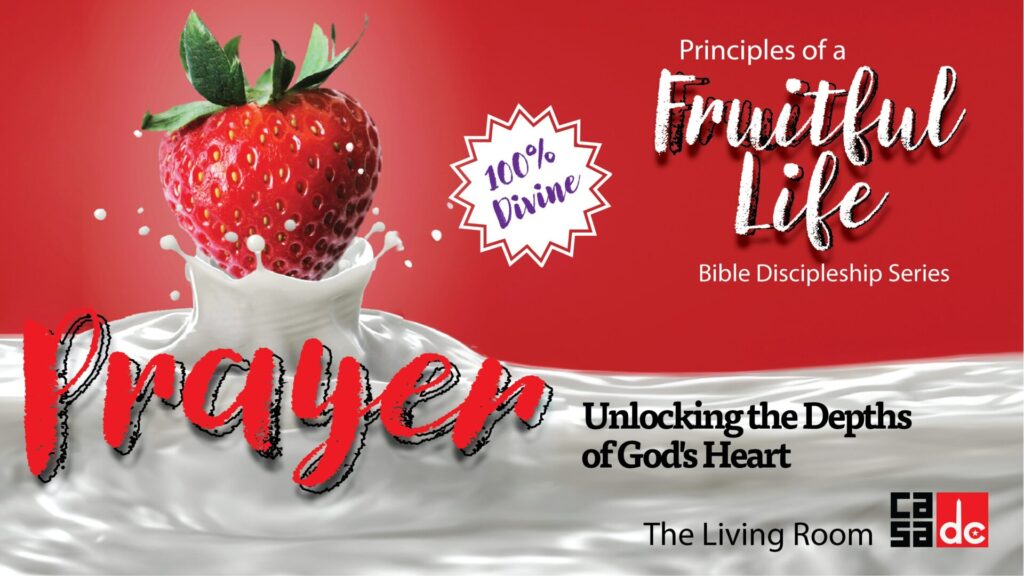
    Creating a habit of prayer requires discipline and consistency. It’s more than a mere routine; the goal is to normalize praying as part of our lives. The next tips aim to help us create the habit of praying naturally, without mysticism. Daniel 6:10 provides us with a fine example: “When Daniel heard that the edict had been signed, he went into his house and, having opened the windows of his chamber facing Jerusalem, knelt down three times a day, and prayed and gave thanks before his God, as he was wont to do before.” Daniel had fixed times to pray three times a day, demonstrating the importance of establishing regular times for prayer. Set specific times to pray, such as when you wake up, at noon, and before bed. This practice ensures that prayer becomes an integral part of your daily routine, helping you stay connected with God throughout the day.


    Tips for Establishing Regular Prayer Times

    Set Specific Times

    Assigning specific times of day to pray, such as when you wake up, at noon, and before bed, helps establish a consistent prayer routine. This practice ensures that prayer becomes a natural part of your daily life. Morning prayers can set a positive tone and seek guidance for the day ahead. Midday prayers offer a moment to reflect and re-center amidst daily activities, while evening prayers allow you to express gratitude and seek peace before rest. By making prayer a scheduled part of your day, you create a habit that strengthens your relationship with God and fosters spiritual growth.


    Use Reminders

    Using alarms or notes to remind yourself of your prayer times can be highly effective in establishing a regular prayer habit. These reminders serve as prompts to pause and engage in prayer, helping to overcome the busyness of daily life that often distracts us from spiritual practices. Over time, these reminders can help you develop a natural rhythm of prayer, integrating it seamlessly into your routine. As prayer becomes a habitual part of your day, you’ll find it easier to connect with God consistently, deepening your faith and reliance on His presence in all aspects of your life.


    Find a Quiet Place

    Finding a quiet place to pray without distractions is crucial for meaningful and focused communication with God. This space should be free from interruptions, allowing you to fully concentrate on your prayers and reflections. Whether it’s a dedicated room, a corner of your home, or a peaceful outdoor spot, having a designated prayer space helps signal to your mind and spirit that it’s time to connect with God. In this quiet place, you can open your heart, listen for God’s guidance, and experience a deeper sense of His presence, making your prayer time more impactful and spiritually enriching.


    How to Integrate Prayer into Daily Life

    Integrating prayer into daily life means making it a natural part of our daily activities. You can pray as you go about your daily tasks, such as driving, walking, or doing household chores. The key is to maintain an attitude of constant prayer, remembering that God is always present and willing to listen.


    Various Ways to Pray

        • Solitary prayer: Take time to be alone with God, expressing your thoughts, emotions, and requests.

        • Group Prayer: Gather with other believers to pray together, sharing burdens and praying for one another.

        • Written prayer: Keep a prayer journal where you can write down your prayers, reflections, and answers from God.

        • Meditative Prayer: Take time to meditate on God’s Word, allowing its truth to penetrate your heart and mind.


      Obstacles in Prayer

      Identifying and overcoming obstacles such as distractions, doubts, and lack of time is crucial to creating a habit of prayer. Find a quiet place, remember God’s promises to strengthen your faith, and prioritize prayer in your daily schedule to overcome these challenges and maintain a consistent prayer life.

      • Distractions: Find a quiet place and eliminate distractions during your prayer times. You can use soft music or white noise to help you focus.
      • Doubts: Remember God’s promises and faithfulness. Read and meditate on verses that strengthen your faith and confidence in prayer. Remember prayers that were answered by God.
      • Lack of time: Prioritize prayer in your daily schedule. Start with small moments of prayer and gradually increase the time spent in it.

      Praying is a key principle for a fruitful life, acting as a vital connection between us and God. When prayer becomes a normal and natural part of our daily routine, it transforms our lives in profound ways. As God’s children, regular prayer strengthens our relationship with Him, providing guidance, peace, and a deeper understanding of His will. It aligns our hearts with His purposes, enabling us to bear fruits that glorify Him. Consistent prayer fosters spiritual growth, resilience, and a sense of divine purpose, making it an indispensable practice for living a life that reflects God’s love and power.

      Next Classes

    • The Relevance of Prayer for a Fruitful Life

      The Relevance of Prayer for a Fruitful Life

      The Relevance of Prayer for a Fruitful Life

      Prayer is fundamental to a fruitful life in the Kingdom of God, as it keeps us focused on the bond that binds us to God and strengthens our relationship with Him by providing guidance, wisdom, and strength. Through prayer, we experience personal transformation, aligning our character with God’s will (Romans 12:1-2). It also strengthens our testimony and influence over others (Colossians 4:2-4). Prayer also gives us discernment to make wise decisions (James 1:5) and allows us to experience peace and confidence in God’s promises (Philippians 4:6-7).

      Personal Transformation

      Prayer brings about a change of character and alignment with God’s will by transforming our minds and hearts according to His purposes. Romans 12:1-2 exhorts us not to be conformed to this world, but to be transformed by the renewing of our minds, so that we can discern God’s will, which is good, pleasing and perfect. As we pray, we open ourselves to the work of the Holy Spirit, allowing Him to mold our character.

      In Galatians 5:22-23, the fruit of the Spirit is described as love, joy, peace, patience, kindness, goodness, faith, gentleness, and self-control. Through prayer, we cultivate a deeper relationship with God, which makes it easier for this fruit to manifest itself in our daily lives.


      Thus, prayer not only changes us, but also aligns us with God’s plans and desires, transforming us into people who live according to His divine purpose.

      Influence and Witness

      Prayer has a profound impact on our testimonies and how we influence others. In Colossians 4:2-4, Paul exhorts us to “Continue in prayer, watching in it with thanksgiving; praying also at the same time for us, that the Lord may open a door for us to speak, so that we may make known the mystery of Christ, for which I am also imprisoned, so that he may manifest it as I ought to speak.”

       Perseverance in prayer

      Constancy in prayer strengthens our relationship with God and helps us stay focused on his will. This dedication not only transforms us internally, but is also visible to those around us, showing our dependence and trust in God, and with the manifestation of our actions.

      Thankfulness in Prayer

      Gratitude expressed in prayer reflects a grateful heart that is aware of God’s blessings. This spirit of gratitude can be contagious, inspiring others to recognize and be thankful for the blessings in their own lives.


      Intercession and opening doors: Praying for opportunities to share the gospel, as Paul mentions, demonstrates our desire to see others know Christ. By interceding for these opportunities, God can open doors and prepare hearts, allowing our witness to be effective and transformative.


      Clear Gospel Communication: By asking God to help us manifest the mystery of Christ in a clear way, we are acknowledging our need for His guidance in our words and actions. This ensures that our message is authentic and powerful, positively impacting those with whom we share our faith.


      Discernment and Decisions: Prayer is an essential tool for making wise, God-directed decisions. It allows us to seek divine guidance and ensure that our choices are aligned with God’s will.


      Presenting Our Petitions to God: Philippians 4:6-7 exhorts us, “Be anxious for nothing, but in all prayer and supplication, with thanksgiving, let your requests be made known to God. And the peace of God, which surpasses all understanding, will guard your hearts and your minds in Christ Jesus.” By presenting our worries and decisions to God in prayer, we release our anxieties and trust in His direction. This act of surrender allows us to experience God’s peace, ensuring that our decisions are under His control and direction.


      Benefits of Prayer in Decision-Making

      • Mental clarity: Prayer helps us clear our minds of worries and distractions, allowing us to hear God’s voice more clearly.
      • Trust in God’s guidance: By trusting God through prayer, we strengthen our faith in His ability to guide and provide for us in every situation.
      • Alignment with God’s will: Prayer keeps us in tune with God’s will, ensuring that our decisions reflect His purpose and plans for our life.
      • Alignment with God’s will: Prayer is a powerful channel through which we can experience God’s peace and strengthen our confidence in His promises. Through prayer, we surrender our worries and anxieties to God, allowing his peace to flood and guide us.
      • Confidence in your promises: 1 Peter 5:7 encourages us to “cast all your anxiety on him, for he cares for you.” This verse reinforces the idea that God cares deeply about us and is willing to bear our burdens. By praying and surrendering our anxieties to God, we affirm our faith in His promises and His constant care. Knowing that God is attentive to our needs and concerns gives us a security that can only come from an intimate relationship with Him.


      Benefits of prayer in peace and trust

      • Peace that surpasses understanding: Prayer allows us to experience a divine peace that is not based on external circumstances, but on God’s presence and promises.
      • Refuge in times of distress: In times of difficulty, prayer becomes a refuge where we find comfort and strength in God.
      • Trust in God’s care: As we pray, we remember and affirm that God is with us and cares for us, which strengthens our confidence in His faithfulness.

      Next Classes

    • Prayer: The Key to God’s Private Chamber

      Prayer: The Key to God’s Private Chamber

      Prayer: The Key to God’s Private Chamber

      Prayer is one of the fundamental pillars of the Christian life. It is the means by which believers communicate with God, and express their needs, thanks, confessions, and worship. Through prayer, we develop an intimate and personal relationship with our Creator, strengthening our faith and trust in Him. The Bible shows us multiple examples of men and women of faith who, through prayer, experienced God’s guidance, comfort, and power.


      Prayer is not only a spiritual discipline, but a source of personal and communal transformation. In prayer, we find peace in the midst of anxiety, direction in times of uncertainty, and strength in times of weakness.


      Class Objectives


          • Understand the profound relevance of prayer and how this practice can lead us to maturity as children of God living in His Kingdom.

          • Explore the nature of prayer, its different forms, and its impact on our daily lives.

          • Learn to pray with purpose and fervor, and to experience the power of intercession and fellowship with God.

          • Equip ourselves to integrate prayer into every aspect of our lives, recognizing its importance as a vital tool for being mature Christians and the manifestation of the Kingdom of God on earth.

        What is Prayer?

        Prayer is, in essence, a conversation with God. It starts from the reality that God is not in a distant or external place, but dwells in us. This allows us to have constant communication with Him, sharing our thoughts, feelings, worries, and praises. Through prayer, we can express our needs, thank for His blessings, confess our mistakes, and seek His guidance and protection. It is the way to maintain a living and dynamic relationship with our Creator.

        Prayer is the result of an intimate, personal relationship with God, similar to that shared with a family member or close friend. When we hang out with someone significant, we talk about everything: our joys, worries, dreams, and fears. In the same way, prayer allows us to talk to God, who dwells in us and knows every corner of our lives, desires, and thoughts. Through this continuous communication, we strengthen our relationship with Him, sharing the depths of our being.


        Prayer is also an act of faith and dependence. By talking to God, we show that we believe in Him, that He is important in our lives and real to us. We recognize that we need your guidance, your support, and your intervention in our daily circumstances. This dependence is not a sign of weakness, but an expression of trust in your love and power. As we open our hearts to God in prayer, we surrender to His will, trusting that He is in control and that His plans are perfect for us. Thus, prayer becomes an act of surrender and faith, reaffirming our connection to our Creator and Savior.

        Different Forms of Prayer and Their Purpose

        Praise and Worship: Praise and worship go hand in hand, although we worship God with all that we do, in worshipful prayer, we emphasize His holiness, sovereignty, and lordship. We praise God for what He does and worship Him for who He is. To praise is to recognize and declare the greatness of God, thanking Him for His favor, love, and mercy. Worship is a deeper form of praise, involving absolute reverence and devotion, surrendering completely to Him, and acknowledging His holiness and majesty.

        Example: “Lord, you are great and worthy of all praise. I adore you, God, for your holiness and majesty.”

        Confession: It is admitting our weaknesses and mistakes before God and asking for His help in the process of sanctification. Confession helps us maintain a sincere and honest relationship with Him, keeping us in perspective of who we are and who He is.

         Example: “Lord, forgive me for my failures and help me to change.”

        Petition: It is to ask God for our personal needs and desires. We can present our concerns and ask for His intervention in our lives.

        Example: “God, I need your help in my work, please guide my steps,”

        Thanksgiving: It is thanking God for His blessings and provisions. Gratitude reminds us of God’s goodness and faithfulness in our lives.

        Example: “Thank you, Lord, for your love and your daily provision.”

        Intercession: It is praying for the needs of others. We become intermediaries, asking God to act in other people’s lives.

        Example: “Lord, I pray for the health of my friend, that you give him healing and strength.”


        Key Biblical References

        Matthew 6:9-13: “Our Father in heaven, hallowed be your name. Thy kingdom come. Thy will be done, as it is in heaven, so also on earth. Give us this day our daily bread. Forgive our debts, as we also forgive our debtors. And lead us not into temptation, but deliver us from evil; for thine is the kingdom, and the power, and the glory, for ever. Amen.”

        Philippians 4:6-7: “Be anxious for nothing; but in all things, by prayer and supplication with thanksgiving, let your petitions be made known before God. And the peace of God, which surpasses all understanding, will guard your hearts and your minds in Christ Jesus.”

        1 Thessalonians 5:16-18: “Rejoice always. Pray without ceasing. Give thanks in everything, for this is God’s will for you in Christ Jesus.”

        These biblical references teach us how to pray, the importance of continuous prayer, and the peace that comes from trusting God through prayer.

        The Importance of Prayer

        Prayer could be seen as the catalyst for the renewal of our understanding as a counterpart to the study of scripture.  It is not simply a matter of reciting words, but of establishing a deep and sincere dialogue with our Creator. Through prayer, we open our hearts to God, share our joys and worries, and seek His guidance and comfort in every aspect of our lives.


        In Mark 1:35, we are told that “very early in the morning, while it was still dark, Jesus got up and left the house and went to a lonely place, where he began to pray.” This verse underscores the priority Jesus gave to prayer, even before his day began. Prayer was his way of connecting with God, recharging his strength, and receiving instructions for his ministry.


        Following Jesus’ example, we understand that prayer is not an obligation, but a necessity and a privilege. It’s how we stay connected to God, allowing Him to speak to our hearts and direct our steps. Prayer helps us remember that we are not alone. God is with us, listening to us and responding to our needs.

        In addition, prayer transforms our perspective, gives us peace in the midst of life’s storms, and strengthens us to face daily challenges. By maintaining a life of constant and sincere prayer, as Jesus did, we cultivate a living and active relationship with God, who sustains and guides us in every moment of our lives.


        Guidance and Wisdom

        Prayer is a fundamental tool for seeking God’s guidance and wisdom in our lives. In Proverbs 3:5-6, we are instructed, “Trust in the Lord with all your heart and do not lean on your own understanding. Acknowledge Him in all your ways, and He will make your paths straight.” This verse calls us to depend completely on God, recognizing that His understanding and direction are superior to ours. By praying, we are surrendering our decisions and ways to God, trusting that He will guide us correctly.


        James 1:5 adds, “If any of you lack wisdom, let him ask of God, who gives to all abundantly and without reproach, and it will be given to him.” This passage assures us that God is willing to grant us wisdom if we sincerely seek it. Through prayer, we can ask God to enlighten us and give us the wisdom needed to face life’s situations.


        Renewal and strengthening of faith

        Prayer is also a means to receive strength and renew our faith. Ephesians 6:18 exhorts us, “Praying at all times with all prayer and supplication in the Spirit, and watching therein with all perseverance and supplication for all the saints.” Here, Paul encourages us to pray constantly, using prayer as a spiritual armor to keep us steadfast in our faith.


        1 John 5:14 teaches us that as we pray according to God’s will, we are certain that He hears us. This confidence in His response strengthens our faith, knowing that our requests are aligned with His purpose and that He always responds with love and wisdom.


        Intercession for Others

        Intercession is a powerful form of prayer that involves praying on behalf of others. In 1 Timothy 2:1-2, Paul instructs, “I exhort first of all that supplications, prayers, petitions, and thanksgivings be made for all men; for kings and for all who are in eminence, that we may live quietly and quietly in all piety and honesty.” This passage underscores the importance of praying for the authorities and for all men, seeking peace and justice in society.


        Ephesians 6:18 also highlights intercession: “Praying at all times with all prayer and supplication in the Spirit, and watching therein with all perseverance and supplication for all the saints.” Intercession strengthens the community of believers, creating a bond of mutual support and spiritual solidarity. By interceding for others, we are participating in God’s work in their lives, and contributing to the well-being of our community and the world.

        Next Classes

      • Principles of a Fruitful Life: A Discipleship Series

        Principles of a Fruitful Life: A Discipleship Series

        Principles of a Fruitful Life: A Discipleship Series

        “Principles of a Fruitful Life” is a discipleship series designed to deepen your understanding of the disciplines and principles essential for a life that bears fruit. This series will help you grow as a mature heir of the Kingdom of God and prepare you for an active role in our city for the Kingdom. Through practical teachings and spiritual insights, you will learn how to cultivate a life that reflects God’s love, wisdom, and power. Join us to discover how to live purposefully and impactfully, embodying the values of the Kingdom in every aspect of your daily life.


        In this series, we will go through disciplines like praying and meditating in the Scriptures, learning how to navigate and study the Scriptures to find God’s word and voice. We will also learn about baptism and other faith-affirming practices. Join us to live purposefully and impactfully, embodying Kingdom values in every aspect of your life.

      • Sunday Worship

        Sunday Worship

        Join us on Sundays at 10:00 am for an uplifting worship gathering at Corinto Gallery in National Harbor, MD. At our non-denominational bilingual church, we celebrate God’s love and share messages of hope and inspiration that are relevant to your daily life. You’ll experience a warm and welcoming community that’s committed to creating a safe and inclusive space for everyone. Our Sunday worship gatherings feature bilingual music, powerful messages, and a time for reflection and prayer. So come as you are and join us in person at Corinto Gallery or online for a meaningful worship experience. We can’t wait to see you there!

        Sundays at 10:00 am

        1234 American Way, National Harbor, MD 56148

        Upcoming Dates

        • February 4
        • February 11
        • February 18
        • February 25
        • March 3
        • March 10
        • March 17
        • March 24: Family Joyful
        • March 31
      • A Kingdom-Aligned Life: Bible Study February Series

        A Kingdom-Aligned Life: Bible Study February Series

        Unveiling our Divine Identity and Purpose to Live as The Church of God

        This webinar-style study series is a transformative journey delving into profound truths that transcend the ordinary, guiding you to a deep understanding of God’s Kingdom, unraveling Jesus’ central message (The Kingdom of Heaven), and underscoring the critical need for the church to align with God’s eternal purpose of extending his kingdom over the earth. As we explore our identity as sons of God, saints with divine purposes, and ambassadors of that kingdom, the study emphasizes the vital connection between prosperity and purpose within our Kingdom assignment. Gain clarity on how Kingdom citizenship fosters unity among the body of Christ and aligns with our mission to love God, love people, and serve.

        This series is a foundation for comprehending the essence of your identity, appointment, purpose, and the diplomatic mission in various life spheres while serving others.

        Join us on this enriching exploration, internalize the Kingdom message, and actively live out our mission, becoming ambassadors who bring the influence of God’s Kingdom into every aspect of our lives. After each section, you will find a reflecting session with questions for you to think about what we just studied. As a recommendation, find a way to create a journal where you can write down your thoughts and answers. At the end, you will be able to compare your initial thoughts and ideas and realize how much you have grown in knowledge about yourself and how God sees you through Christ, as a citizen of his heavenly kingdom.

        Sessions

        • Introduction to the Kingdom of God–January 24
        • Identity in Christ and the Ambassadorial Role: Understanding Who We Are–January 24
        • Heavenly Perks and Prosperity in Kingdom’s Mission: Kingdomnomics–January 31
        • Heavenly Perks and Prosperity in Kingdom’s Mission: The Logistics of the Kingdom–January 31
        • Keeping Unity: Navigating Distractions and Religious Influences–February 7
        • The Spiritual Warfare of the Kingdom–January 21

        Want to Join Us?

      • Winning the Battle in Our Minds-Bible Study March Series

        Winning the Battle in Our Minds-Bible Study March Series

        This transformative journey will take you to explore the depths of your mind, discovering how thoughts directly impact your life and your relationship with God. Throughout this course, you will immerse yourself in the richness of God’s Word and explore how divine truth can free you from destructive thought patterns.

        The fundamental purpose of this course is to equip you to win the battle in your mind by aligning your thoughts with the truth revealed in the Bible about you. With a comprehensive approach that combines biblical principles confirmed by modern psychology, you’ll discover practical strategies to renew your mind and experience profound transformation.

        With a renewed mind, you will discover a transformed life. We are excited to accompany you on this journey to a deeper understanding of your mind and how you can live the abundant life God has for you.

      • But We have The Mind of Christ: Bible Study April Series

        But We have The Mind of Christ: Bible Study April Series

        In these thought-provoking sessions, we will examine the words of the Apostle Paul in 1 Corinthians 2:16: “For who has understood the mind of the Lord to instruct him? But we have the mind of Christ.”

        Throughout this series, we will explore the profound implications of possessing the mind of Christ and deepen into practical steps to align our thoughts and perspectives with His. This is an invitation to a deeper understanding of God’s wisdom, an exploration of the transformative power of the Holy Spirit, and a commitment to live with the humility, love, and wisdom exemplified by Christ to fulfill his purpose for our city.

        Join us as we engage in enriching discussions, share personal insights, and seek ways to apply these timeless truths to our daily lives. Together, let’s embark on a journey of spiritual growth and cultivate the mind of Christ within us.

      • Lesson 6: A Kingdom-Aligned Life-Distractions Caused by Religion

        Lesson 6: A Kingdom-Aligned Life-Distractions Caused by Religion

        Religious practices, while well-intentioned, can sometimes become distractions from the core mission of the Kingdom. Peter’s reaction during the transfiguration, expressed in his suggestion to build three tents (Matthew 17:1-8), exemplifies how even a devoted disciple can momentarily lose focus. Identifying common distractions within religious practices, such as emphasizing methods or organizational priorities over God’s goals and assignments, becomes crucial. The challenge lies in avoiding pitfalls that hinder the fulfillment of the Kingdom mission, steering clear of practices that, although rooted in religion, may deviate from the essence of God’s mission.

        In contemporary culture, the church has somehow lost relevance due to perceived disconnects between traditional religious concepts and the evolving values of society.

        When diving into the deepness of the Kingdom’s culture, we must notice that the relevance of its principles transcends ages and never becomes obsolete.

        To regain influence, Kingdom ambassadors must embody and exemplify Kingdom principles in practical ways, transcending mere religious concepts. When asked by his disciples about how to recognize kingdom’s citizens, Jesus replied with a powerful statement; “by their deeds”.

        By prioritizing love, compassion, and service, ambassadors can authentically engage with culture, demonstrating the timeless relevance of Kingdom values. This approach fosters genuine connections, making the Kingdom message more accessible and impactful, and revitalizing the church’s cultural relevance.


        Human Nature: How Religion Exploits Our Needs

        Religion, as a movement, can exploit fundamental human needs, leading to traps of entertainment that divert believers from their original purpose. Understanding these human tendencies, with examples, is essential to recognize potential threats to ambassadors on a heavenly mission. When Jesus appeared on the stage of history, God’s commandments and Moses’ law had evolved into a harsh religious system. Far from bringing people closer to God, it oppressed and enslaved them in a spiral labyrinth of condemnation and sins.

        Jesus condemned the religious leaders of his time for failing to fulfill the original purpose of guiding people toward the abundant life God had prepared from the beginning.

        He criticized them, stating that despite having the keys to the kingdom, they neither entered themselves nor allowed others to enter. He metaphorically referred to them as blind guides leading the blind. The dangers of getting distracted by religion have catastrophic consequences for generations.

        Staying vigilant to avoid getting trapped by meaningless religious endeavors involves cultivating discernment, prioritizing a relationship with God over religious rituals, and adhering to the foundational principles of the Kingdom. As ambassadors, maintaining focus on the ultimate mission—loving God, loving people, and serving—is paramount, ensuring that religious practices contribute to, rather than detract from, the fulfillment of the Kingdom’s divine purpose.

        As we conclude this journey, we recognize that living a Kingdom-aligned life means embodying the values and principles of God’s Kingdom in every aspect of our existence. It’s not just about following rules or adopting a certain lifestyle; it’s about allowing the reality of God’s reign to shape our thoughts, actions, and relationships.

        A Kingdom-aligned life is marked by a deep awareness that God’s Spirit dwells within us, empowering us to manifest His love, justice, and truth wherever we go. It involves partnering with God in restoring His original order to a world marked by chaos and brokenness. This life is fueled by our identity in Christ—knowing we are children of the King and heirs of His promises—giving us the authority and purpose to extend His Kingdom on earth.

        Our journey doesn’t end here. Instead, it unfolds as we continue to grow in maturity, live out our calling, and bring God’s order into the spaces we inhabit. We are called to be agents of change, carriers of His peace, and ambassadors of His love, knowing that our everyday choices and acts of service reflect the nature of our King.

        Let us move forward with a renewed commitment to align our lives with the Kingdom, walking in faith and obedience, and trusting in the transformative power of God within us. As we do, may we find the courage to influence culture, challenge the status quo, and bring the light of Christ to a world in need.

        Remember, a Kingdom-aligned life is not a destination but a continuous journey of becoming more like Christ and making His presence known in all we do.

        • A Kingdom Aligned Life: Unveiling our Divine Identity and Purpose as The Church of God-Introduction

          This study series is a transformative journey delving into profound truths that transcend the ordinary, guiding you to a deep understanding of God’s Kingdom, unraveling Jesus’ central message (The Kingdom of Heaven), and underscoring the critical need for the church to align with God’s eternal purpose of extending His kingdom over the earth. Course Information…

        • Lesson 2: A Kingdom-Aligned Life-Understanding Our Identity in Christ

          Living the Kingdom of God happens in three main stages: Knowledge of the kingdom and its principles, realization, and understanding of those principles, and the manifestation of the kingdom culture through our life. We cannot manifest what we don’t understand, and we can’t understand what we don’t know. Recognizing ourselves as sons and daughters of…

        • Lesson 3: A Kingdom-Aligned Life-Embracing the divine purpose inherent in our identity

          This phrase signifies the acknowledgment of a higher calling and intentionality woven into our existence. It communicates the idea that our identity is not arbitrary but intricately connected to a divine purpose that shapes our lives.quest for purpose, often considered the most challenging inquiry in human existence, has perplexed philosophers and thinkers across ages and…

        • Lesson 4: A Kingdom-Aligned Life-Kingdom Economics: Impact Beyond Finances

          Understanding divine authorization in the economic context involves acknowledging God’s provision for the expansion of His Kingdom. It extends beyond personal wealth to the economy of impact — the collective efforts of believers working to manifest the Kingdom wherever they are. The economy of God’s Kingdom operates on principles of love, generosity, and service. 2…

        • Lesson 5: A Kingdom-Aligned Life-Understanding the Collective Impact of Kingdom Citizenship

          The apostle Paul, in his profound teachings, employs the analogy of the body to vividly illustrate the interconnectedness of believers within the Kingdom. This analogy, found in 1 Corinthians 12:12-27 and Ephesians 4:15-16, depicts the body as a metaphor for the collective unity and purpose of Kingdom citizenship. 1 Corinthians 12:12-27: The Body Analogy Verse…

        • Lesson 6: A Kingdom-Aligned Life-Distractions Caused by Religion

          Religious practices, while well-intentioned, can sometimes become distractions from the core mission of the Kingdom. Peter’s reaction during the transfiguration, expressed in his suggestion to build three tents (Matthew 17:1-8), exemplifies how even a devoted disciple can momentarily lose focus. Identifying common distractions within religious practices, such as emphasizing methods or organizational priorities over God’s…

      • Lesson 5: A Kingdom-Aligned Life-Understanding the Collective Impact of Kingdom Citizenship

        Lesson 5: A Kingdom-Aligned Life-Understanding the Collective Impact of Kingdom Citizenship

        The apostle Paul, in his profound teachings, employs the analogy of the body to vividly illustrate the interconnectedness of believers within the Kingdom. This analogy, found in 1 Corinthians 12:12-27 and Ephesians 4:15-16, depicts the body as a metaphor for the collective unity and purpose of Kingdom citizenship.

        1 Corinthians 12:12-27: The Body Analogy

        Verse 12 (NIV): “Just as a body, though one, has many parts, but all its many parts form one body, so it is with Christ.” Paul starts by emphasizing the unity within diversity, drawing parallels between the diverse parts of the human body and the varied roles and gifts present among believers.

        Verse 14 (NIV): “Even so the body is not made up of one part but of many.” Diversity is celebrated within the body, with each part contributing uniquely to the overall functioning of the body of Christ.

        Verses 21-22 (NIV): “The eye cannot say to the hand, ‘I don’t need you!’ And the head cannot say to the feet, ‘I don’t need you!’” Paul emphasizes the interdependence among believers. No part can function in isolation; each member is essential for the overall well-being of the body.

        Verse 27 (NIV): “Now you are the body of Christ, and each one of you is a part of it.” The profound conclusion reinforces the concept of believers collectively forming the body of Christ, each playing a crucial role.

        Ephesians 4:15-16: Growing into Christ

        Verse 15 (NIV): “Instead, speaking the truth in love, we will grow to become in every respect the mature body of him who is the head, that is, Christ.” Paul introduces the idea of growth within the body. Unity and maturity are interconnected, and speaking the truth in love is the catalyst for this growth.

        Verse 16 (NIV): “From him, the whole body, joined and held together by every supporting ligament, grows and builds itself up in love, as each part does its work.” This verse beautifully encapsulates the essence of collective impact. The entire body, held together and supported by every ligament, grows in love as each believer faithfully executes their unique role.

        The body analogy underscores the beauty of unity in diversity, mirroring the interconnectedness of believers within the Kingdom. In the same way that various body parts function harmoniously under the direction of the head, believers operate cohesively under the leadership of Christ.

        Impact of Collective Unity

        The interconnectedness illustrated in the body analogy echoes the sentiments expressed in Ephesians 2:19. Believers, not isolated entities but interconnected members, contribute collectively to the fulfillment of God’s purposes. The unified pursuit of God’s divine agenda on Earth, rooted in a common identity and purpose, exemplifies the transformative power of collective impact.

        Dynamic Force of Kingdom Citizenship

        Understanding the collective impact of Kingdom citizenship is more than a conceptual understanding; it is a dynamic force. Each believer, akin to a vital part of the body, contributes to the effectiveness of the Kingdom’s mission. The harmonious synergy among individuals aligning with God’s purposes amplifies the impact of God’s divine agenda. The analogy of the body employed by the apostle Paul reinforces the interconnected nature of believers within the Kingdom. This interconnectedness, beautifully expressed in Ephesians 2:19, brings to life the transformative power that arises when individuals, like different parts of a body, come together in alignment with God’s eternal plan.

        Navigating Financial Wisdom: A Kingdom Responsibility

        In Kingdom’s citizenship, financial wisdom emerges as a pivotal responsibility for its citizens. While the call for prosperity is unequivocal, it’s intricately woven with the mandate to align individual wealth with the broader mission of the Kingdom. This cosmic view of wealth is grounded in biblical principles, with 1 Timothy 6:17-19 offering profound guidance.

        1 Timothy 6:17-19: A Compass for Financial Wisdom

        Verse 17 (NIV): “Command those who are rich in this present world not to be arrogant nor to put their hope in wealth, which is so uncertain, but to put their hope in God, who richly provides us with everything for our enjoyment.” The passage immediately addresses the attitude toward wealth, cautioning against arrogance and misplaced hope in uncertain riches.

        Verse 18 (NIV): “Command them to do good, to be rich in good deeds, and to be generous and willing to share.” The call to do good, coupled with generosity and a willingness to share, emphasizes the communal aspect of prosperity. It’s a reminder that individual wealth is meant to be a conduit for the greater good.

        Verse 19 (NIV): “In this way, they will lay up treasure for themselves as a firm foundation for the coming age so that they may take hold of the life that is truly life.” The eternal perspective is highlighted, asserting that wise stewardship of wealth leads to a foundation for the coming age and a true understanding of life’s essence.

        Aligning Wealth with Kingdom Mission

        The cosmic view of wealth presented in 1 Timothy aligns seamlessly with the overarching purpose of believers—to be agents of change in the world. It’s a recognition that individual prosperity is not an isolated pursuit but a means to contribute significantly to the broader mission of the Kingdom. Wealth, when seen through this lens, becomes a tool for advancing God’s purposes on Earth.

        Stewardship: Preserving the Kingdom’s Culture and Values

        Stewardship emerges as a recurring theme, echoing biblical principles of responsible management of resources. Believers are called not only to accumulate wealth but to manage it wisely. This involves ensuring its continuity for generations to come. By adopting a mindset of stewardship, individuals actively participate in perpetuating the Kingdom’s culture and values.

        A Force for Good: Advancing the Kingdom’s Mission

        The divine design for prosperity, as outlined in this biblical perspective, positions wealth as a force for good. When wielded with wisdom and generosity, it becomes a dynamic tool for advancing the Kingdom’s mission. The present and the future are intricately connected, emphasizing that the impact of financial decisions extends beyond individual lifetimes.

        Avoiding the Traps

        While navigating financial wisdom, believers are cautioned against the traps of greed, unethical practices, and dishonest dealings. Proverbs 11:1 (NIV) states, “The Lord detests dishonest scales, but accurate weights find favor with him.” This underscores the importance of integrity in financial dealings, aligning with the Kingdom’s principles.

        In conclusion, the call for financial wisdom is embedded in the cosmic vision of wealth for Kingdom citizens. By aligning individual prosperity with the broader mission, practicing stewardship, and avoiding the pitfalls of greed and dishonesty, believers can actively contribute to perpetuating the Kingdom’s culture and values, becoming true agents of change in the world.

        • A Kingdom Aligned Life: Unveiling our Divine Identity and Purpose as The Church of God-Introduction

          This study series is a transformative journey delving into profound truths that transcend the ordinary, guiding you to a deep understanding of God’s Kingdom, unraveling Jesus’ central message (The Kingdom of Heaven), and underscoring the critical need for the church to align with God’s eternal purpose of extending His kingdom over the earth. Course Information…

        • Lesson 2: A Kingdom-Aligned Life-Understanding Our Identity in Christ

          Living the Kingdom of God happens in three main stages: Knowledge of the kingdom and its principles, realization, and understanding of those principles, and the manifestation of the kingdom culture through our life. We cannot manifest what we don’t understand, and we can’t understand what we don’t know. Recognizing ourselves as sons and daughters of…

        • Lesson 3: A Kingdom-Aligned Life-Embracing the divine purpose inherent in our identity

          This phrase signifies the acknowledgment of a higher calling and intentionality woven into our existence. It communicates the idea that our identity is not arbitrary but intricately connected to a divine purpose that shapes our lives.quest for purpose, often considered the most challenging inquiry in human existence, has perplexed philosophers and thinkers across ages and…

        • Lesson 4: A Kingdom-Aligned Life-Kingdom Economics: Impact Beyond Finances

          Understanding divine authorization in the economic context involves acknowledging God’s provision for the expansion of His Kingdom. It extends beyond personal wealth to the economy of impact — the collective efforts of believers working to manifest the Kingdom wherever they are. The economy of God’s Kingdom operates on principles of love, generosity, and service. 2…

        • Lesson 5: A Kingdom-Aligned Life-Understanding the Collective Impact of Kingdom Citizenship

          The apostle Paul, in his profound teachings, employs the analogy of the body to vividly illustrate the interconnectedness of believers within the Kingdom. This analogy, found in 1 Corinthians 12:12-27 and Ephesians 4:15-16, depicts the body as a metaphor for the collective unity and purpose of Kingdom citizenship. 1 Corinthians 12:12-27: The Body Analogy Verse…

        • Lesson 6: A Kingdom-Aligned Life-Distractions Caused by Religion

          Religious practices, while well-intentioned, can sometimes become distractions from the core mission of the Kingdom. Peter’s reaction during the transfiguration, expressed in his suggestion to build three tents (Matthew 17:1-8), exemplifies how even a devoted disciple can momentarily lose focus. Identifying common distractions within religious practices, such as emphasizing methods or organizational priorities over God’s…